Liliane Bettencourt, daughter of L'Oréal founder Eugène Schueller and for many years the richest woman in the world, gave the photographer François-Marie Banier paintings, insurance policies and money worth almost a billion euros over twenty years. Her only daughter, Françoise, sued, and the court ruled that these were not gifts: Banier had exploited the vulnerability of an elderly woman. He received a suspended sentence and a large fine, and lost any right to her inheritance.
In this story:
- Who is Liliane Bettencourt?
- How did L'Oréal come about, and why was it given that name?
- What secret did Liliane's father hide?
- Who is François-Marie Banier?
- What did Liliane give Banier?
- Why did her daughter sue the photographer?
- How did the Bettencourt affair end?
- What happened to L'Oréal and the family afterward?
In this story:
- Who is Liliane Bettencourt?
- How did L'Oréal come about, and why was it given that name?
- What secret did Liliane's father hide?
- Who is François-Marie Banier?
- What did Liliane give Banier?
- Why did her daughter sue the photographer?
- Secrets of the Bettencourt affair that aren't in the video
- How did the Bettencourt affair end?
- What happened to L'Oréal and the family afterward?
- Video version of the story
- Frequently asked questions
Who is Liliane Bettencourt?
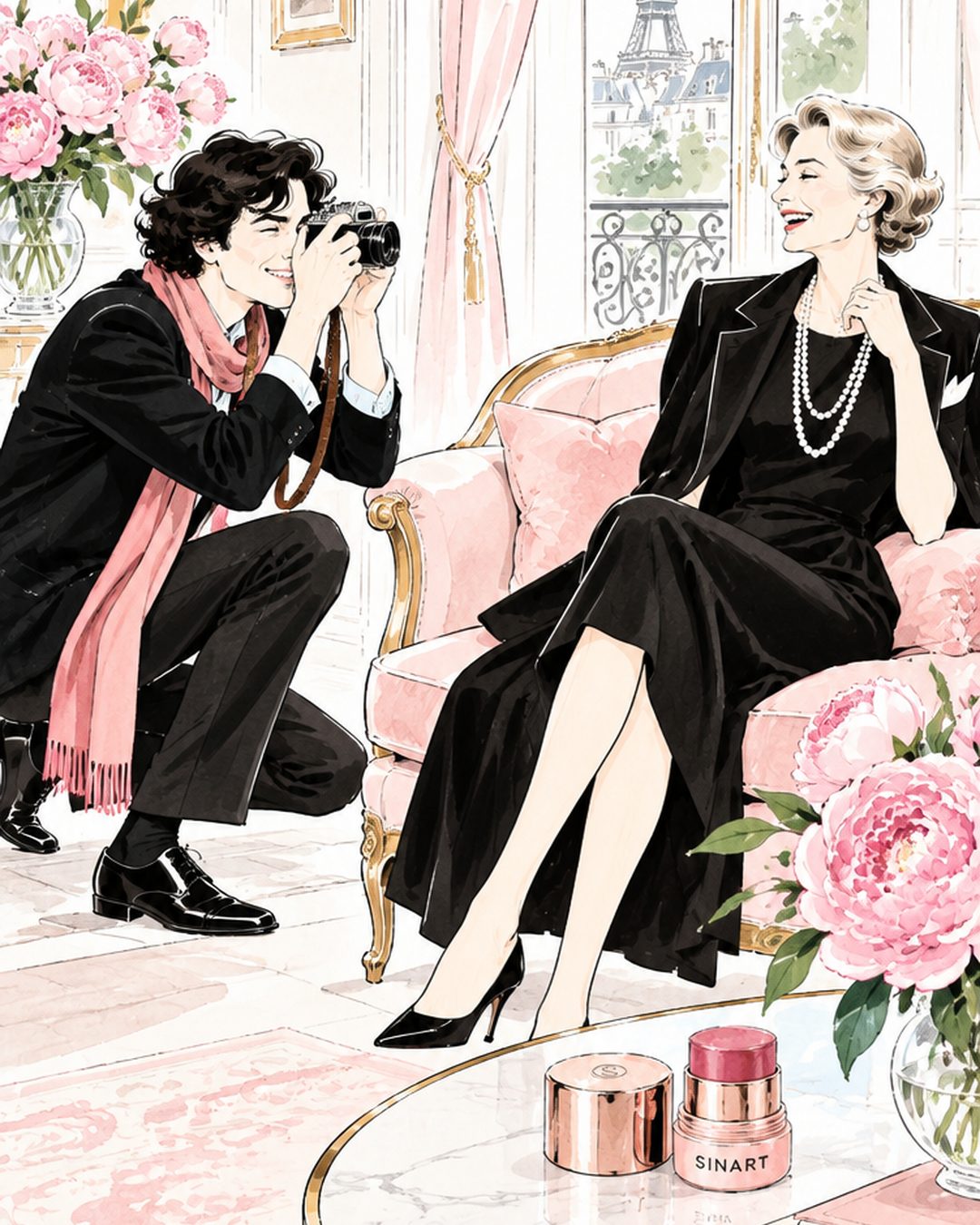
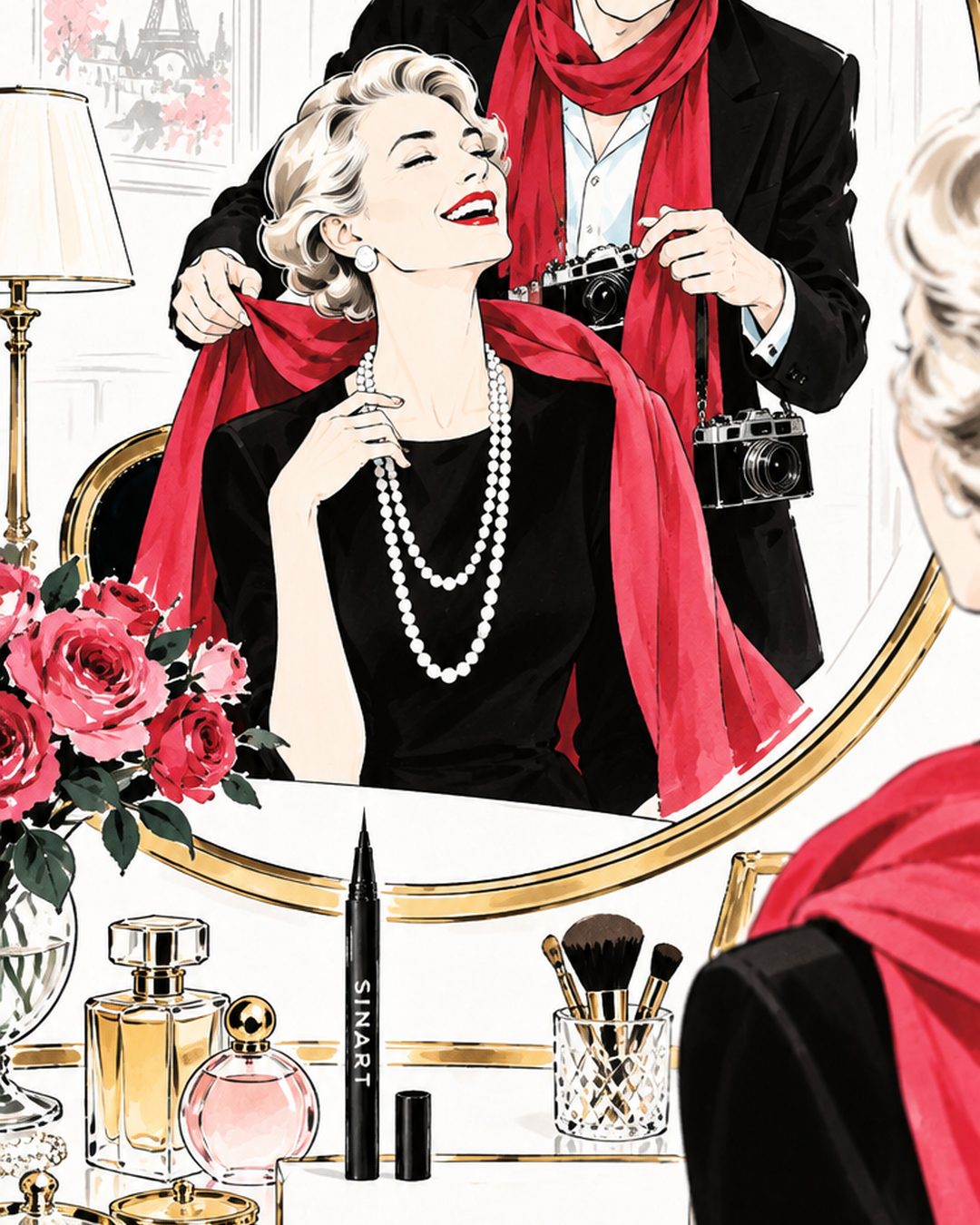
He is forty, she is sixty-four. He kneels with his camera, showering her with jokes. A woman in pearls on a silk sofa laughs so hard that her hand flies up to her lips on its own.
At first glance it's an ordinary society photo shoot. Except the woman on the sofa is Liliane Bettencourt, the principal owner of L'Oréal and one of the richest people on the planet. And the man with the camera will receive almost a billion euros from her over twenty years. Her own daughter will call it robbery. Liliane herself will call it friendship.
To understand why this laughter cost so much, we have to go back several decades. To a small Paris apartment that smells of chemicals and ambition.
How did L'Oréal come about, and why was it given that name?
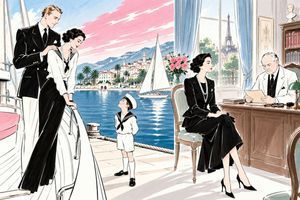
Eugène Schueller was a young French chemist who grew up in a family of Parisian pastry makers. Alone, in a tiny apartment, he invents a hair dye that doesn't harm the skin. That takes real courage at the time: the dyes of the day were often downright dangerous.
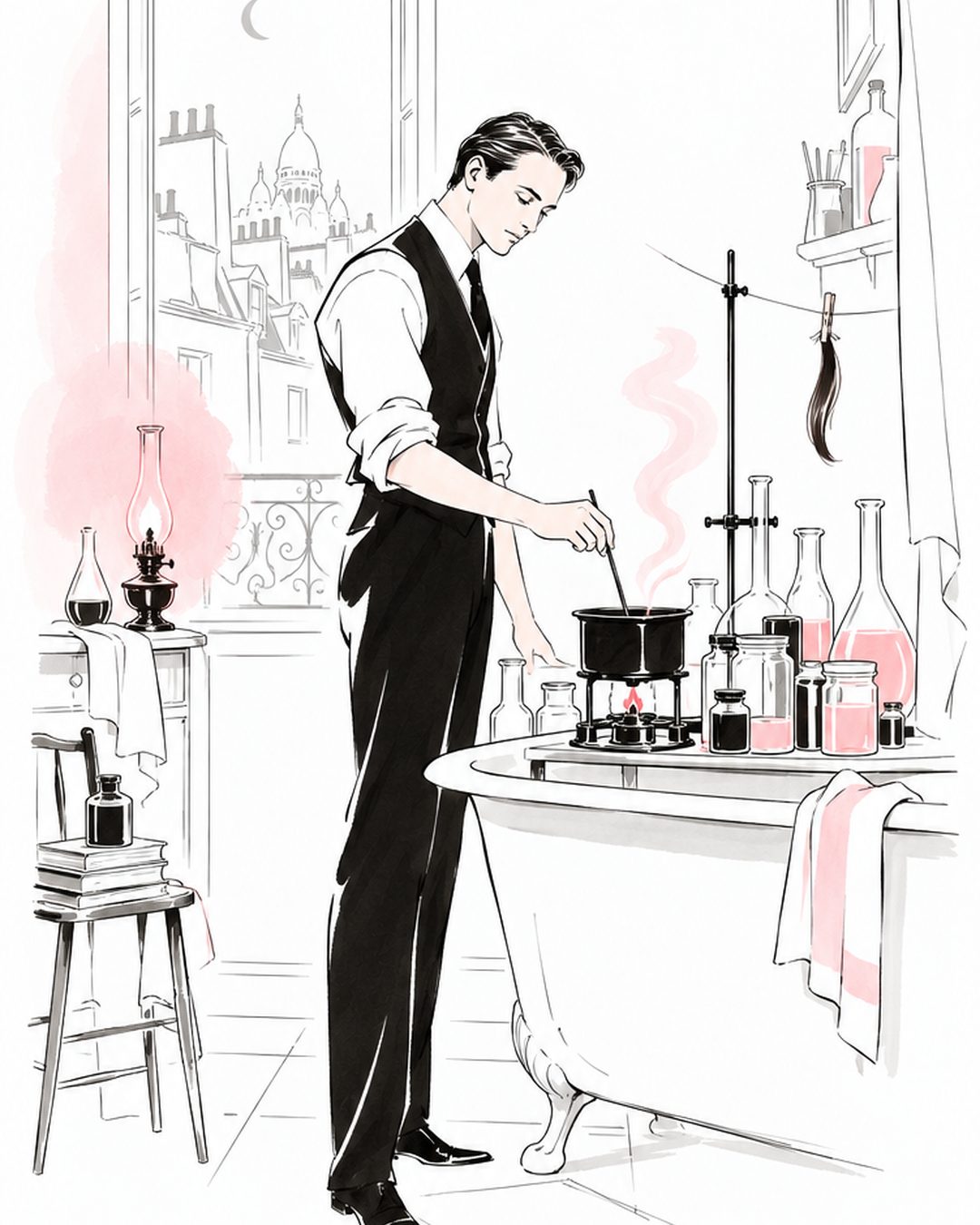
He takes the name straight from the street. Fashionable Parisian women wear a hairstyle called the "halo": hair arranged in a radiance around the head, like a nimbus. The dye is named Auréale, and from this play on words L'Oréal is later born.
The dye brings shampoos, creams, suntan products and factories in different countries in its wake. Schueller works like a man possessed. And somewhere in the shadow of that work, his little girl is growing up.
The girl who stuck on labels
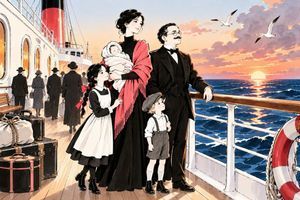
Liliane's mother dies when her daughter is only five. Her father lives at the factory day and night, and she learns to love him from a distance: through the smell of the laboratory, the hum of the workshops, rare dinners for two.
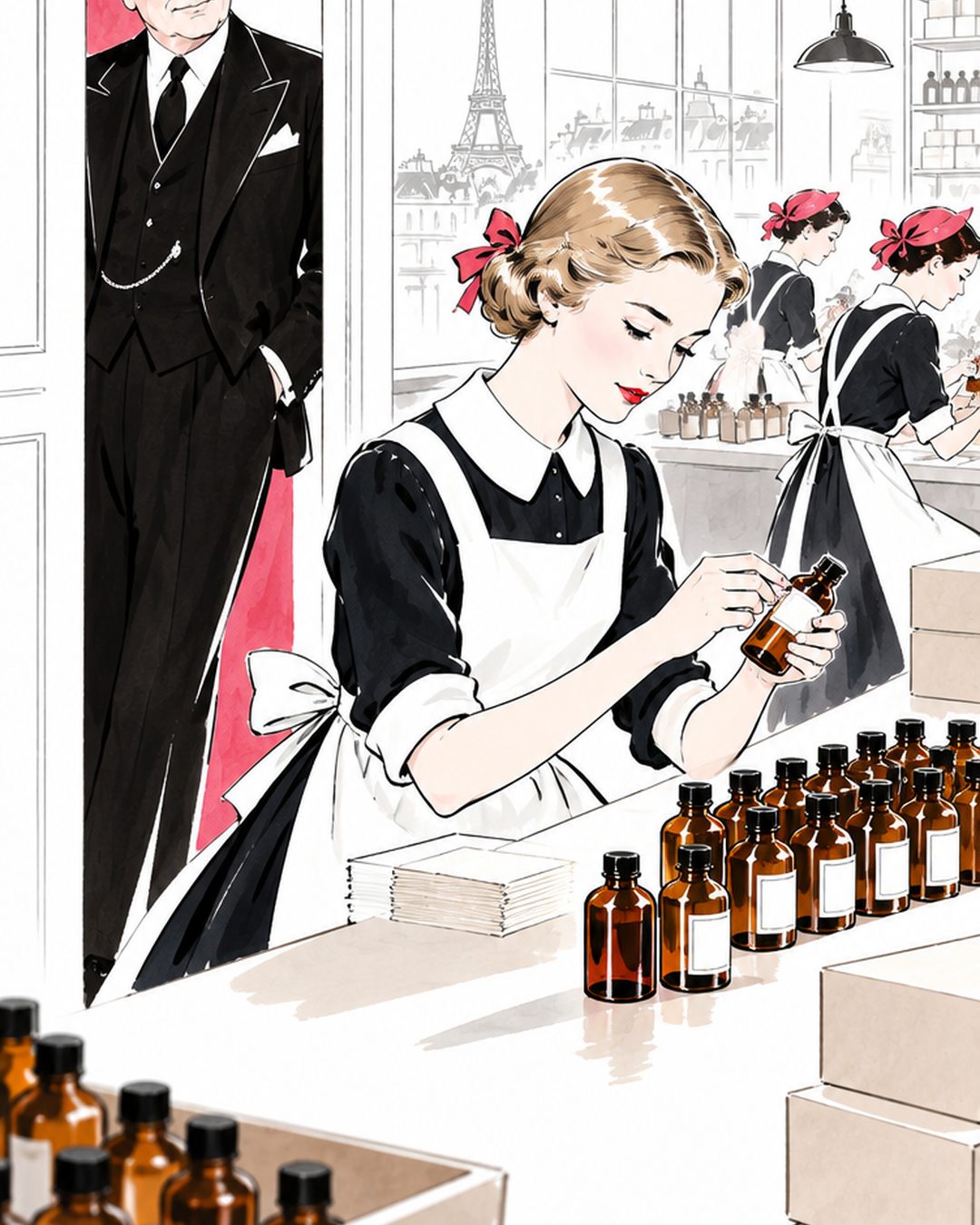
At fifteen, Liliane goes to work in production herself: she mixes creams and sticks labels on bottles. Not out of compulsion, but out of adoration. Be honest: have you ever tried to earn the attention of a person you admired above all others?
What secret did Liliane's father hide?
The flawless father had a dark side. Schueller financed La Cagoule — a clandestine far-right group that in the 1930s plotted against the French Republic. He supported its leader, Eugène Deloncle, with money.
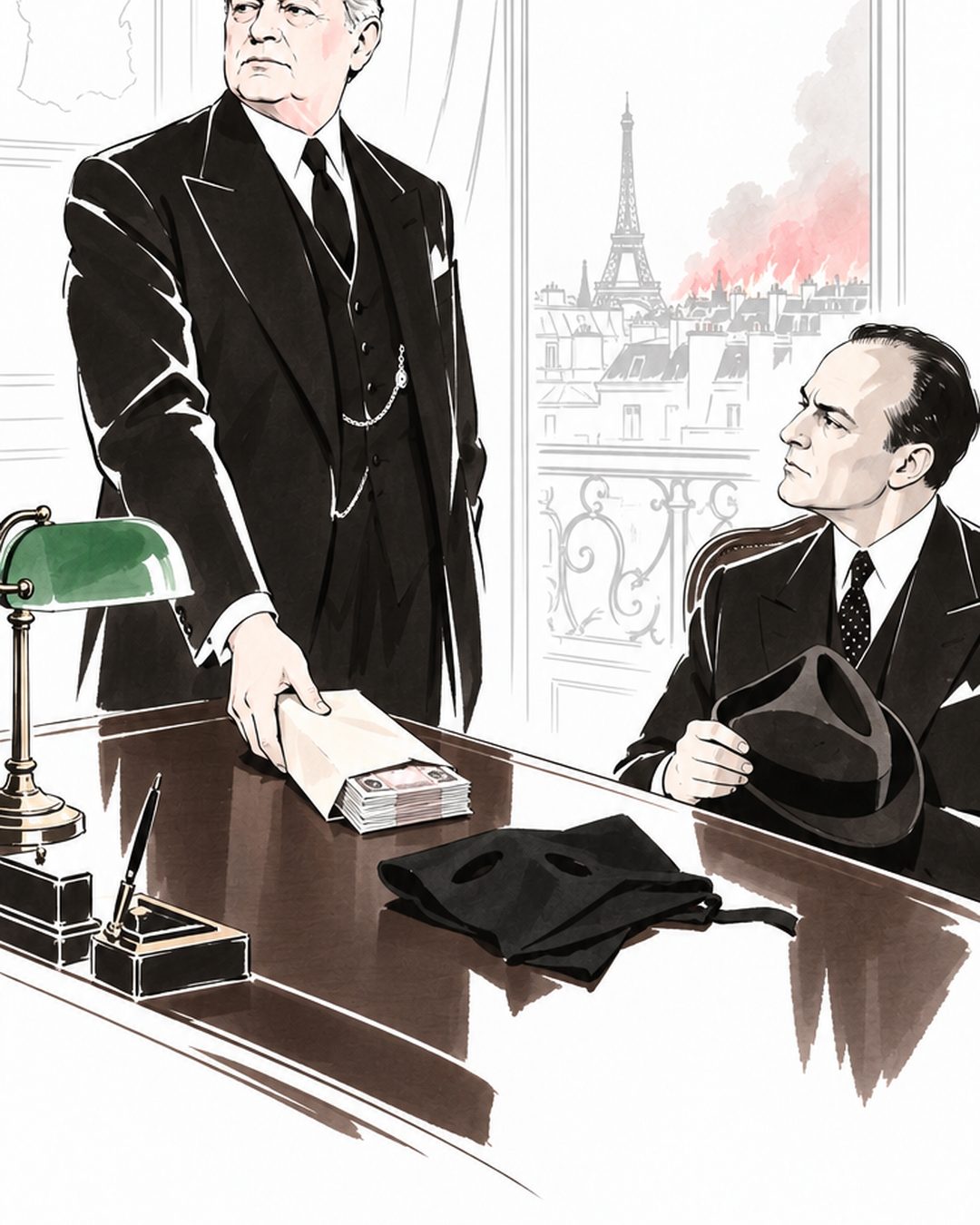
After the war, Schueller brings people from this circle into the company. Next to him appears the young André Bettencourt: during the war he wrote for a collaborationist newspaper, and later joined the Resistance. Liliane marries him. André will become a politician and minister, and their daughter Françoise will be the only child in the family.
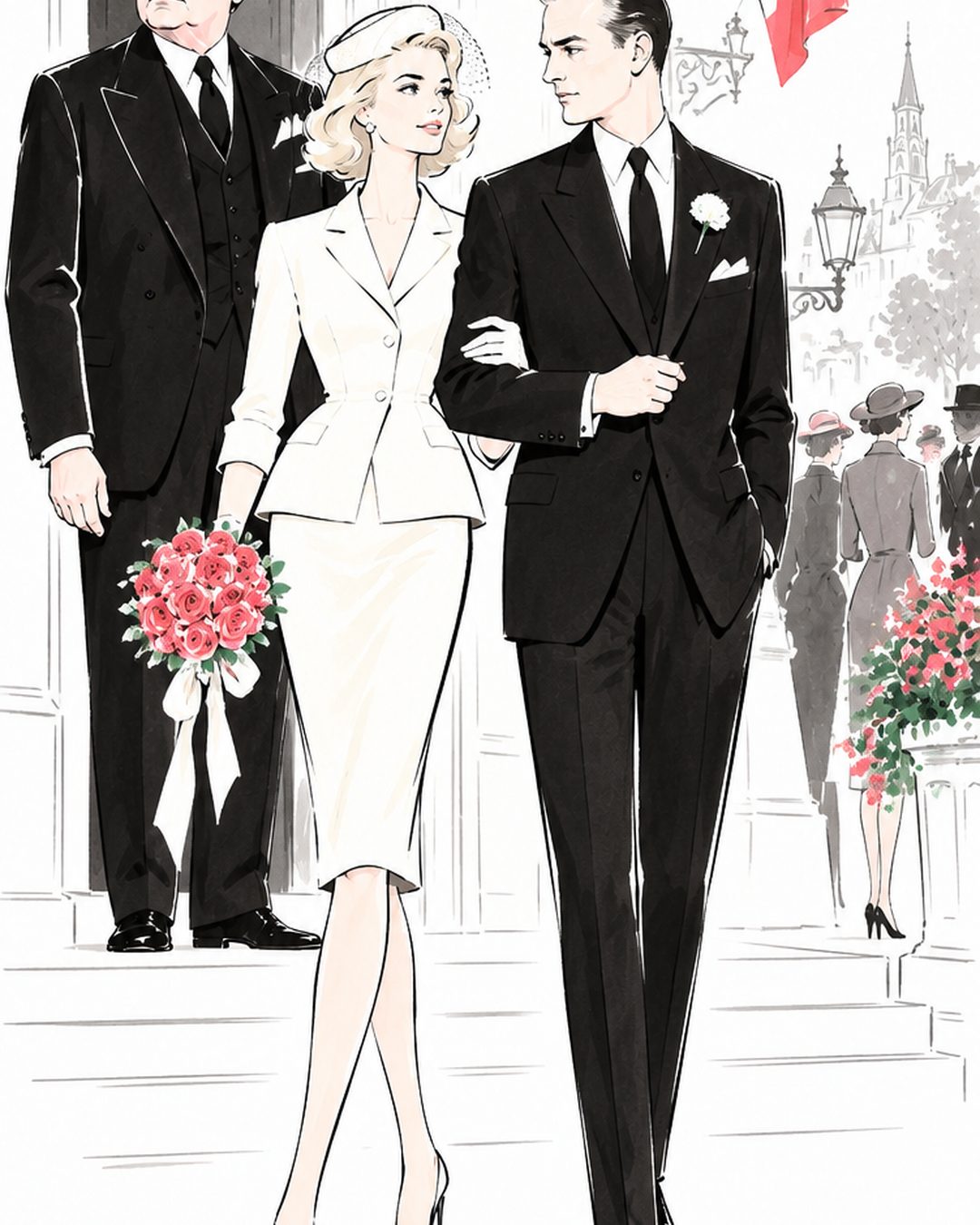
When her father dies, thirty-four-year-old Liliane inherits control of L'Oréal. She doesn't run the company herself: hired executives do that, and the dividends go to her. The empire grows until it becomes the largest cosmetics company in the world.
Who is François-Marie Banier?
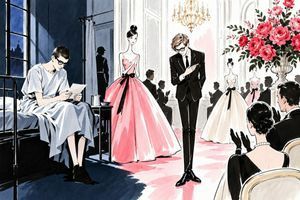
François-Marie Banier is a French writer and photographer who published several novels early on and photographed stars of art and film. Audacious, funny, vivid. The kind of man next to whom you are never bored for a single minute.
In 1987, a magazine sends him to photograph Liliane. He walks into the house with flowers and a camera, and she comes down the stairs — reserved, impeccable, slightly weary of her own status.
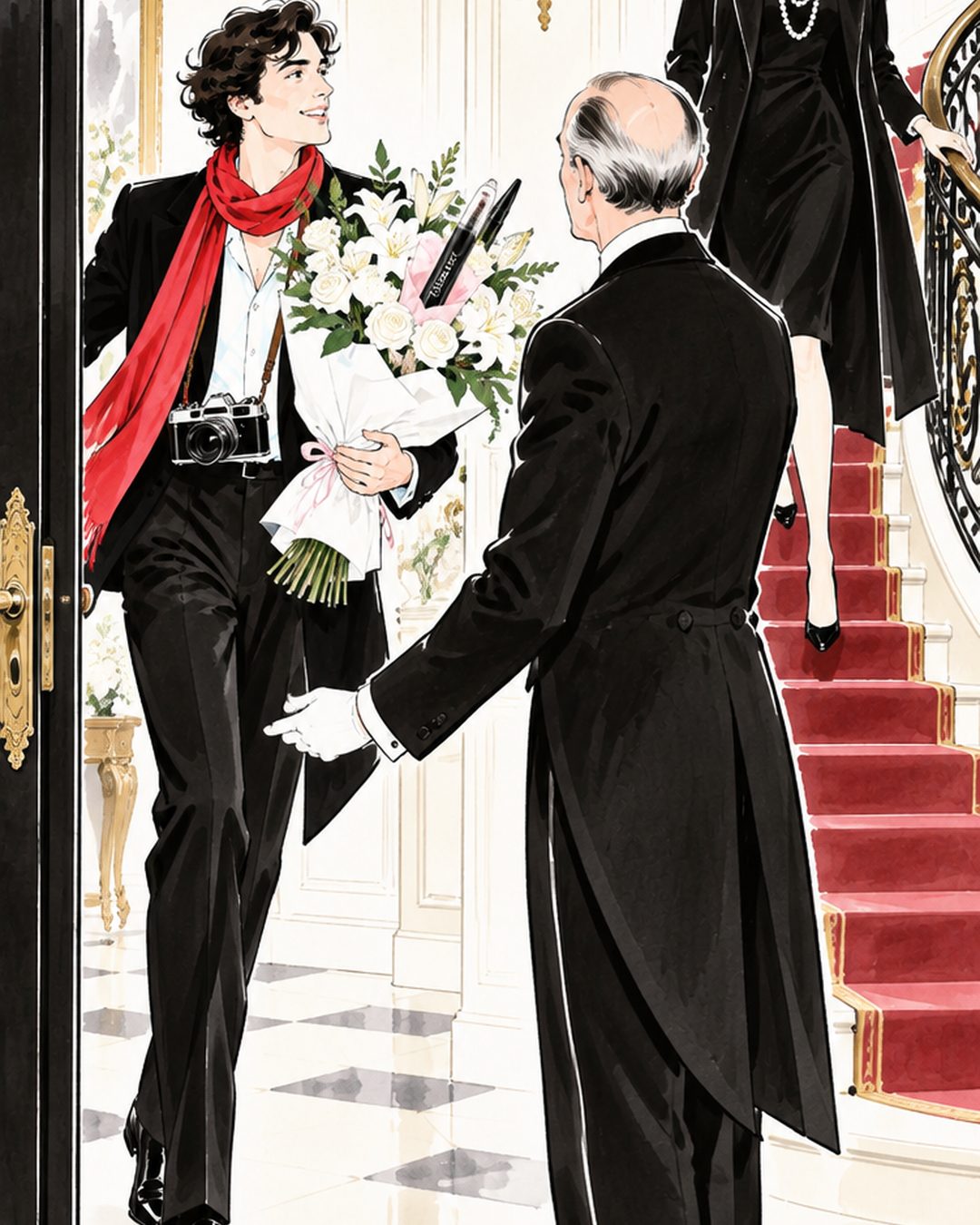
With him she laughs as no one had ever laughed in her house. Her husband is a politician, surrounded by protocol and polite dinners. And here there are scarves, silliness, conversations about art until late at night. Isn't that what every one of us dreams of — someone beside you who sees not your status, but a living woman?
What did Liliane give Banier?
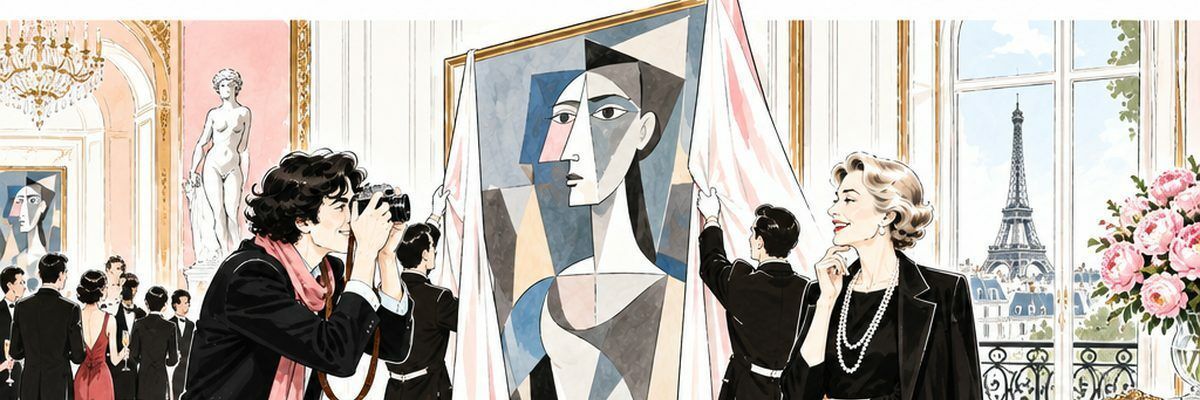
For twenty years he is by her side. And for twenty years she showers him with gifts: life insurance policies, paintings by Picasso and Matisse, money. According to the French press, the total came close to a billion euros.
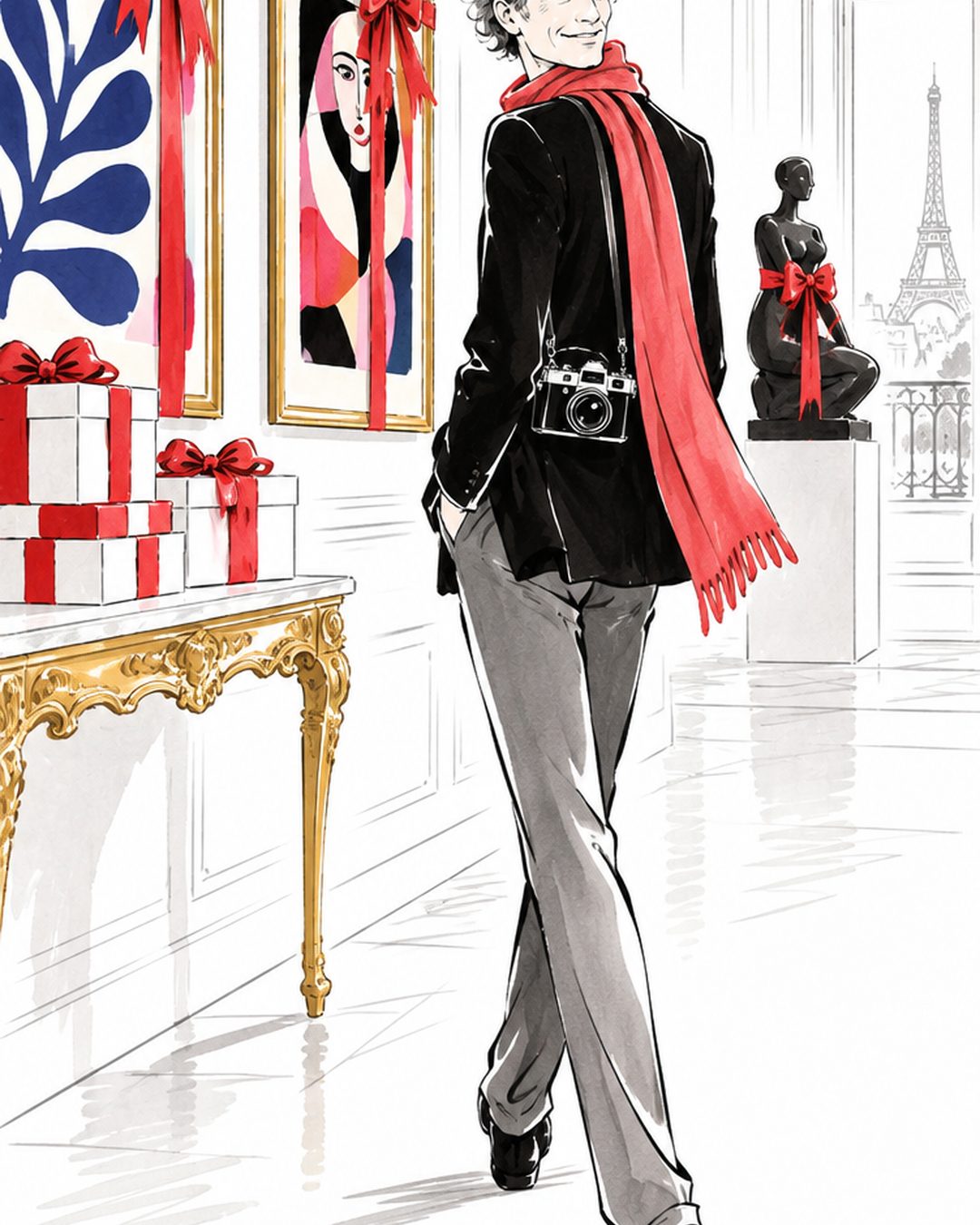
They say she even intended to give him her island of Arros in the Seychelles. And according to press reports, for a time Banier was named in her will as the main heir.
Meanwhile, she is growing deaf. She mixes up the days. She forgets what happened yesterday. Later, doctors will write of dementia. Can something be considered a gift if the woman no longer remembers giving it?
Why did her daughter sue the photographer?
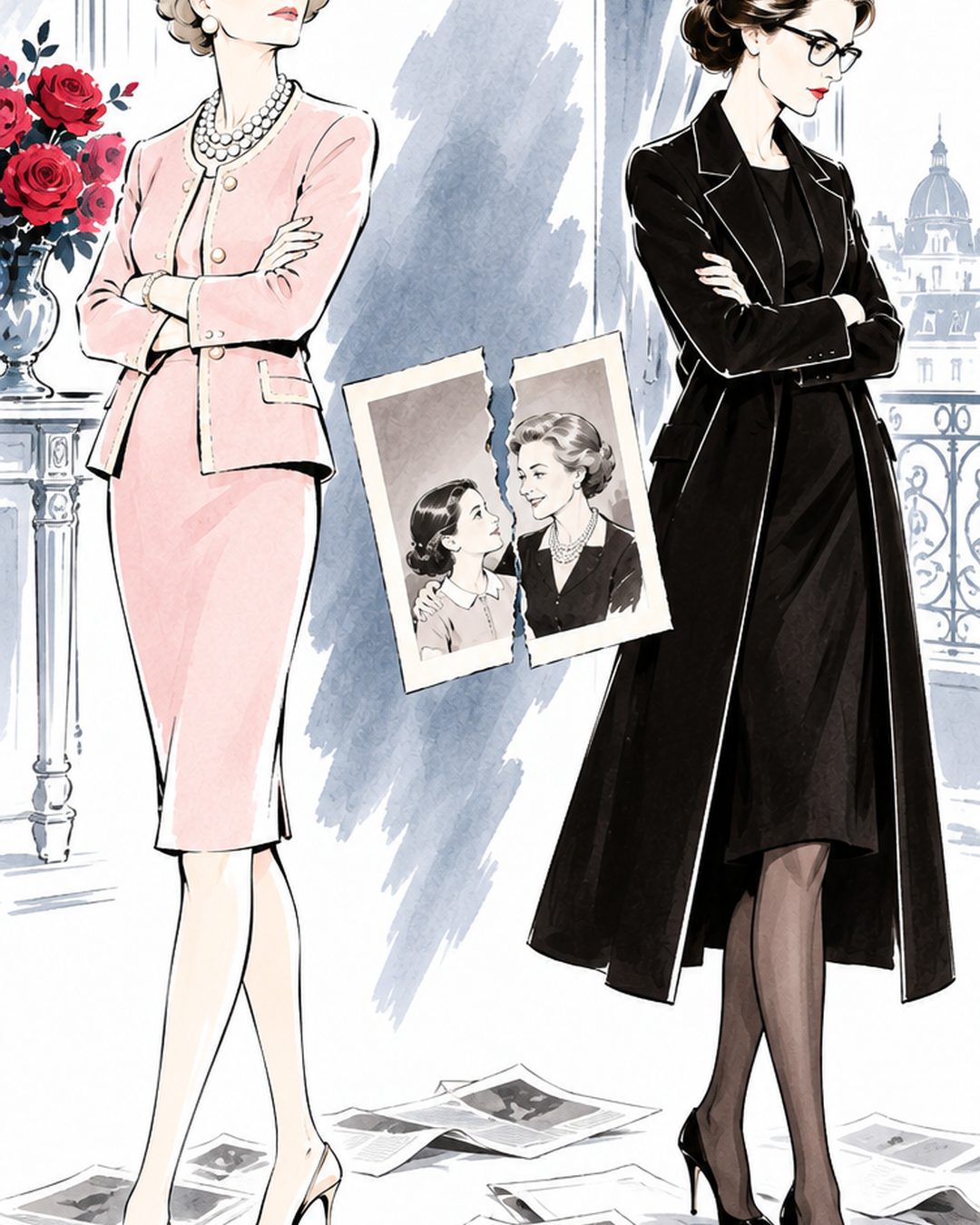
Françoise Bettencourt Meyers, her only daughter, files a lawsuit: her mother is being used. Liliane takes Banier's side. All of France learns from the newspapers how mother and daughter tear each other apart.
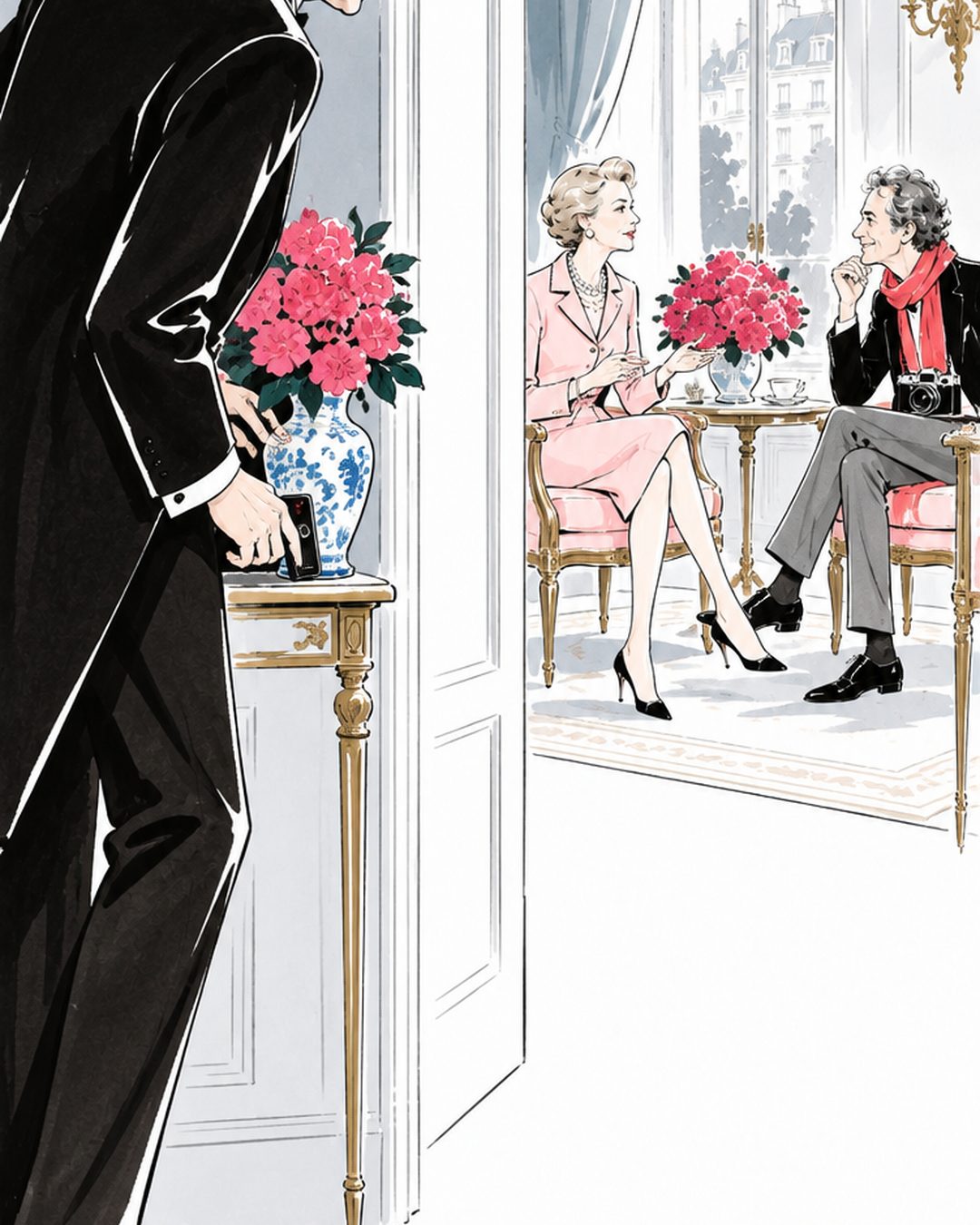
And no one knows the most important thing. The butler, Pascal Bonnefoy, secretly records conversations in her house — the recorder is hidden right next to the drawing room. These very recordings will later become the main evidence in court.
Secrets of the Bettencourt affair that aren't in the video
How did the Bettencourt affair end?
And then mother and daughter suddenly reconcile. Banier renounces some of the gifts and disappears from the will. But the peace is fragile: the quarrels return, and the court places Liliane under her family's guardianship.
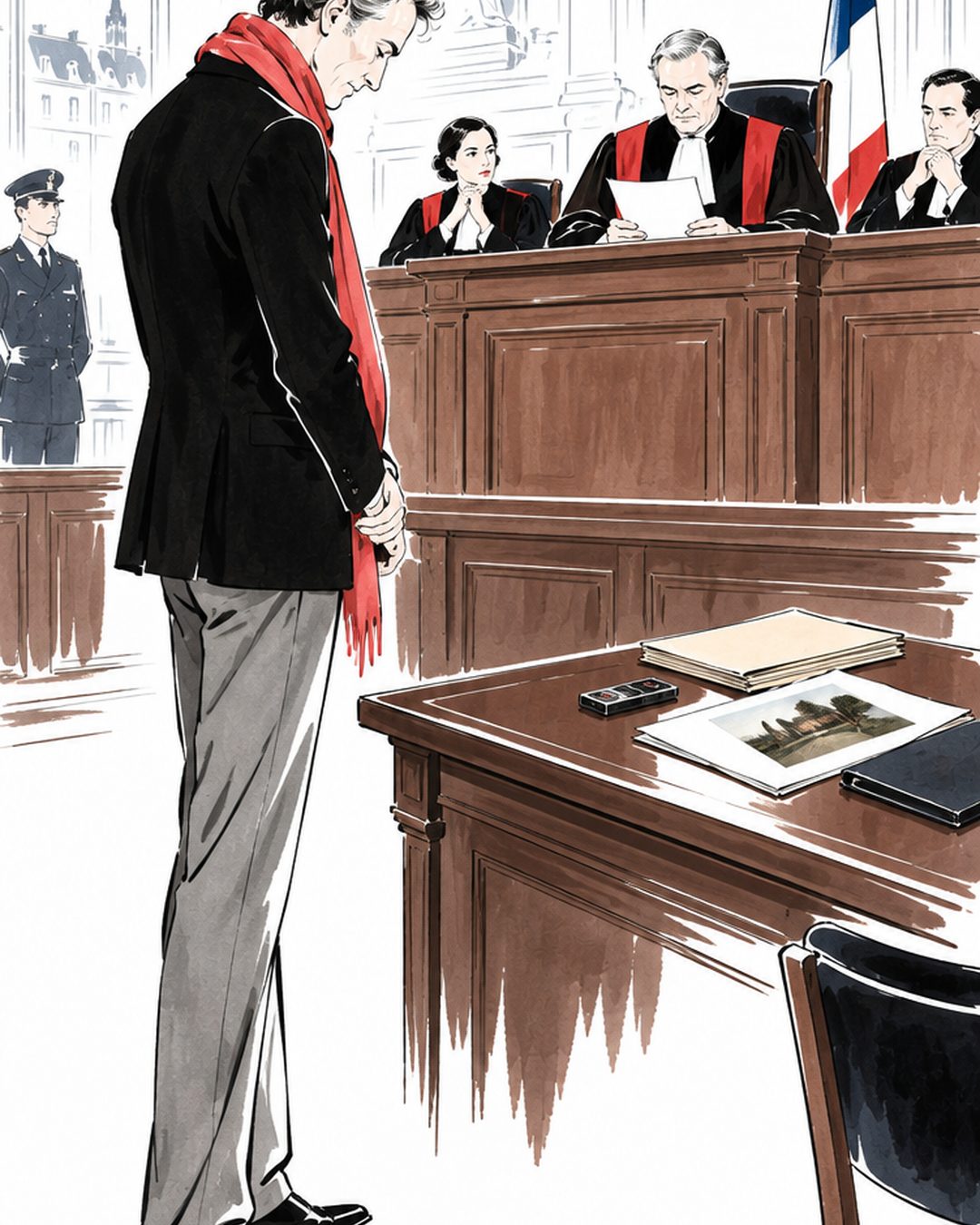
The paintings, the insurance policies, the island, almost a billion — the court rules: these are not gifts. The photographer exploited the vulnerability of an elderly woman. Banier receives a suspended sentence and a large fine, and loses any right to her inheritance.
Liliane dies at home, at ninety-four. Her daughter, who spent years in court against her, says only a few words.
Mom passed away peacefully.
— Françoise Bettencourt Meyers, statement after her mother's death
What happened to L'Oréal and the family afterward?
L'Oréal is still the largest cosmetics company in the world today, and the Bettencourt Meyers family is its largest shareholder. Françoise became vice-chair of the board of directors, and according to Forbes rankings, the richest woman on the planet herself. Liliane's grandsons also joined the board: a story that began with a hair dye in a small apartment has reached the third generation.
Brand profile
| Parameter | Value |
| Founder | Eugène Schueller, French chemist |
| Year and city | 1909, Paris |
| First product | Auréale, a safe hair dye |
| Origin of the name | From the fashionable "halo" hairstyle (auréole) |
| Heiress | Liliane Bettencourt, the founder's only daughter |
| Today | The largest cosmetics company in the world; the Bettencourt Meyers family is the largest shareholder |
Timeline
| Year | Event |
| 1909 | Schueller founds the company that will later be named L'Oréal |
| 1950 | Liliane marries André Bettencourt |
| 1957 | Eugène Schueller dies, and Liliane becomes the principal owner |
| 1987 | She meets the photographer François-Marie Banier |
| 2007 | Françoise Bettencourt Meyers files a lawsuit |
| 2010 | The butler's recordings are made public; mother and daughter make peace |
| 2016 | The appeals court hands Banier a final verdict |
| 2017 | Liliane Bettencourt dies at home at the age of 94 |
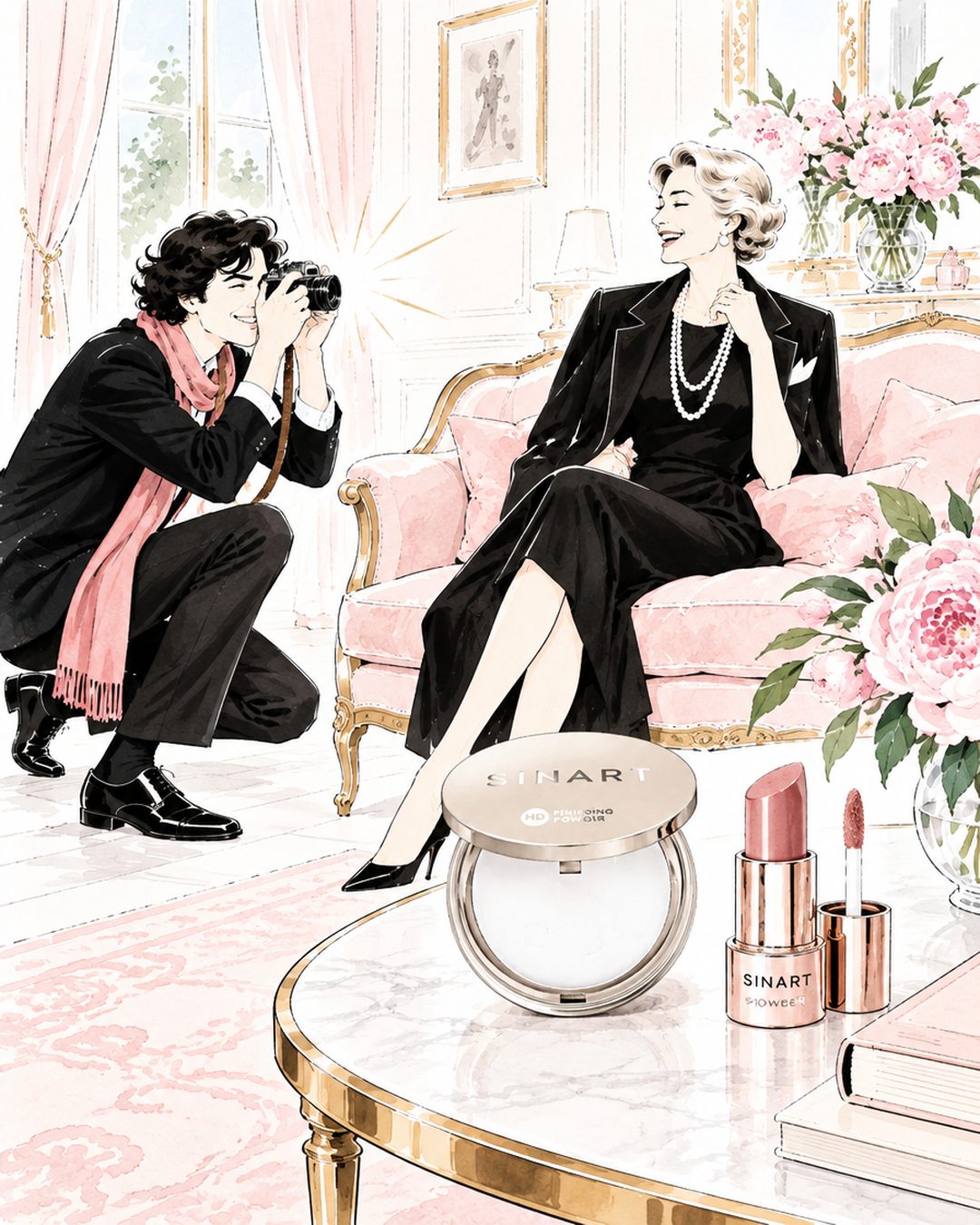
Liliane laughed in front of the lens, wearing pearls, with a face that wasn't afraid of the flash. Today you do the same thing: a photo at a friend's wedding, a story from dinner, a portrait in daylight. To make your skin look even under any camera, the final touch is HD FINISHING POWDER pressed face powder. And for the smile that started this story, there's the Ultimate Lip Duo 01 lip set.
HD FINISHING POWDER pressed face powder · Ultimate Lip Duo 01 lip set
You've read to the end — now watch this story in video: laughter on a silk sofa, a recorder behind a vase, and a courtroom. Subscribe to SINART on YouTube so you don't miss the next episodes of "Beauty DNA".
▶ The episode video will be here
The richest woman in the world spent her whole life searching for one thing — warmth. From a father who lived at the factory. From a husband with whom there was protocol instead of laughter. And from a photographer who finally made her laugh — and for that received almost a billion, and then a verdict.
The empire built by Eugène Schueller survived a conspiracy, lawsuits and a family war. And it all began with a single photograph: he is forty, she is past sixty.
In the next episode of "SINART. Beauty DNA" — Selena Gomez and her Rare Beauty. In the meantime, tell us: do you think Liliane found warmth in the man who knew so well how to make her laugh — or did she simply buy it?
Read also
Frequently asked questions
Who is Liliane Bettencourt?
Liliane Bettencourt is the only daughter of L'Oréal founder Eugène Schueller and the company's principal owner after his death. For many years she was called the richest woman in the world. She did not run the company herself: hired executives did that, and she received the dividends. Her worldwide fame came not only from her inheritance but also from the high-profile Bettencourt affair over gifts to the photographer François-Marie Banier.
Who founded L'Oréal?
L'Oréal was founded by the French chemist Eugène Schueller. He created a safe hair dye and in 1909 founded a company in Paris to sell it. Later the range expanded to shampoos, creams and suntan products, and the company became the largest cosmetics group in the world. His daughter Liliane inherited control of L'Oréal in 1957.
Why is L'Oréal called that?
The name comes from the "halo" hairstyle (in French, auréole) that was fashionable in the early twentieth century — hair arranged in a radiance around the head, like a nimbus. Schueller named his first dye Auréale, and from this play on words the name L'Oréal was born. So the brand is, in essence, named after the radiance that well-groomed hair gives.
Who is François-Marie Banier?
François-Marie Banier is a French writer and photographer who published several novels early on and photographed famous figures of art and film. In 1987 he photographed Liliane Bettencourt for Egoïste magazine, and from then on he was by her side for twenty years. Later, a court ruled that he had exploited the vulnerability of an elderly woman by receiving expensive gifts from her.
How much money did Banier receive from Liliane Bettencourt?
According to the French press, the total value of the gifts came close to a billion euros. They included life insurance policies, money, and paintings by Picasso and Matisse. They say Liliane even intended to give him the island of Arros in the Seychelles. The court ruled that these transfers were not genuine gifts, because the woman could no longer fully understand her actions.
What is the Bettencourt affair?
The Bettencourt affair is a series of court cases in France. It began with a lawsuit by Françoise Bettencourt Meyers, who accused the photographer Banier of exploiting her mother's vulnerability. Recordings of conversations secretly made by the butler also exposed tax violations and implicated politicians. For years the case stayed on the front pages and became the most high-profile family conflict in the country.
What sentence did François-Marie Banier receive?
The court found Banier guilty of exploiting Liliane Bettencourt's vulnerability. In 2016 the Court of Appeal of Bordeaux sentenced him to four years in prison, suspended, and a fine of 375,000 euros. Earlier, after the reconciliation of mother and daughter, he had already renounced some of the gifts and been removed from Liliane's will, so he had no right to her inheritance.
Who recorded Liliane Bettencourt's conversations?
The conversations in Liliane Bettencourt's house were secretly recorded by her butler, Pascal Bonnefoy. He hid a recorder near the drawing room and made the recordings over several months, then handed them to Françoise. Mediapart published part of the recordings. They became the main evidence in court against Banier and led to investigations into taxes and political financing.
When and how did Liliane Bettencourt die?
Liliane Bettencourt died in September 2017 at her home in Neuilly-sur-Seine near Paris, at the age of 94. In her final years she lived under her family's guardianship because of deteriorating memory and hearing. Her daughter Françoise, with whom she had spent years in court, said after her death: "Mom passed away peacefully."
Who owns L'Oréal today?
L'Oréal's largest shareholder is the Bettencourt Meyers family, headed by Liliane's daughter, Françoise. She is vice-chair of the board of directors, and her sons also sit on the board. The second-largest shareholder is the Swiss company Nestlé, which received its stake after a share swap with Liliane. Operationally, the company is run by professional managers.
Is it true that Liliane Bettencourt's father financed the far right?
Yes. Eugène Schueller financed La Cagoule — a clandestine far-right group that in the 1930s plotted against the French Republic — and supported its leader, Eugène Deloncle. After the war, he brought several people from this circle into the company. This page of L'Oréal's history long remained an uncomfortable subject for the family and the company.