The story of Coco Chanel is the journey of Gabrielle Chanel from an orphanage at the Obazine monastery to her own fashion house in Paris, opened with the money of her lover, the Englishman Boy Capel. She gave women the little black dress, the tweed suit and the perfume "Chanel No. 5", but never married and had no children. This is a story about love, money and the price of independence.
In this story:
- Why did Chanel never become a duchess?
- Who was Coco Chanel and where did she spend her childhood?
- Why was Gabrielle Chanel called Coco?
- Who was Boy Capel?
- How is her lover's death connected to the little black dress?
- Why is the Chanel perfume called "No. 5"?
- Chanel's secrets that aren't in the video
- What did Chanel do during the war?
- How did Chanel return to fashion at seventy?
- How did Coco Chanel's story end?
- Video version of the story
- Frequently asked questions
Why did Coco Chanel never become the Duchess of Westminster?
A yacht, estates in England and Scotland, jewels that, according to biographers, were delivered to her in baskets of fruit. Hugh Grosvenor, the 2nd Duke of Westminster, was one of the richest men in Britain. His friends called him Bendor. And he was in love with a Frenchwoman who sewed dresses.
But the duke needed more than a beloved. He needed an heir: his only son had died as a small boy. Chanel was already over forty. Biographers write about doctors, treatments and exhausting exercises that she agreed to for the sake of a child.
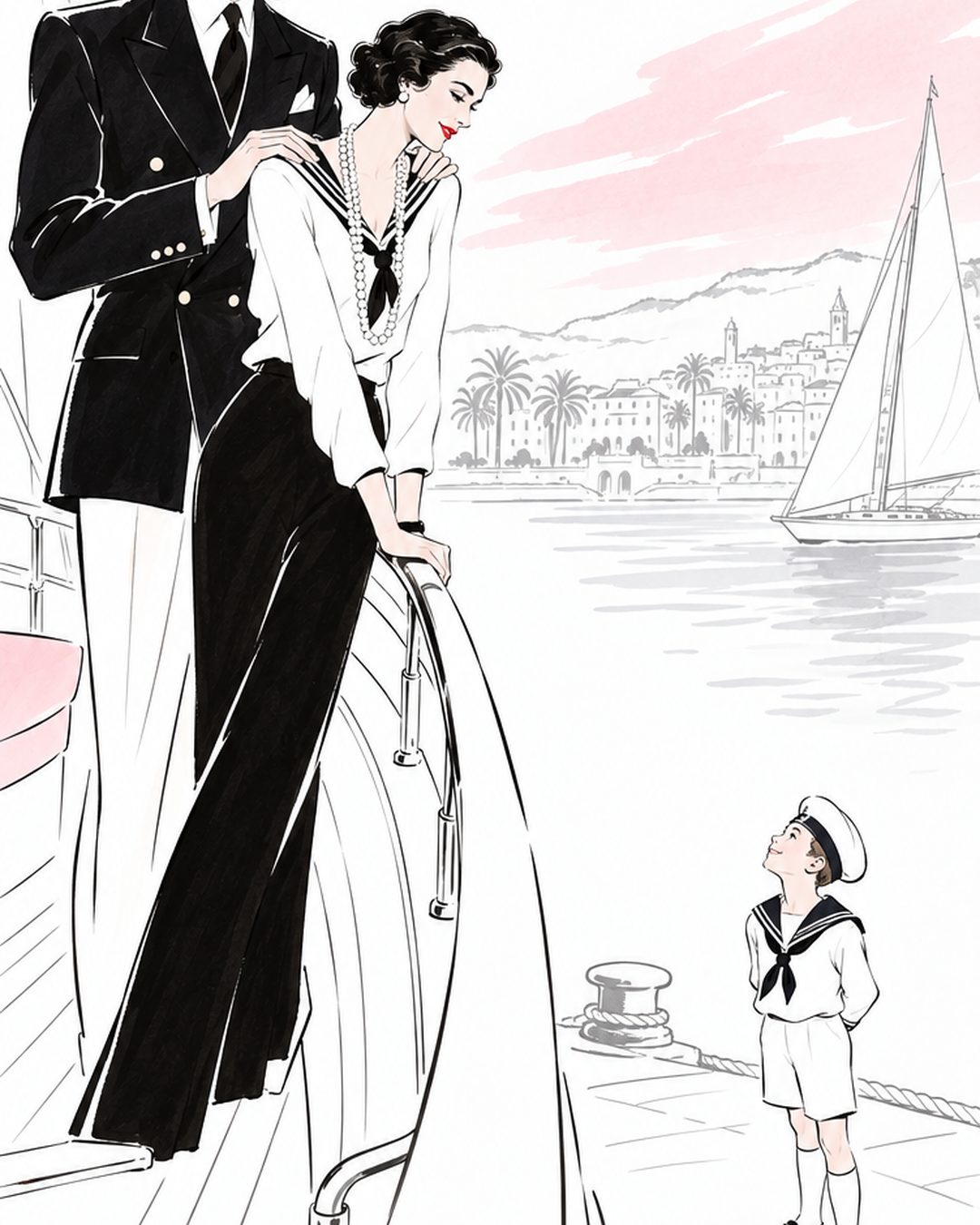
The child never came. And the duke married Loelia Ponsonby, the daughter of a British courtier — almost twenty years younger than Coco. They say Chanel then retorted: there had been several Duchesses of Westminster, but there was only one Chanel. Whether she really said it, history is silent.
To understand where this icy pride came from, we have to go back to where it all began. Behind the monastery gates.
Who was Coco Chanel and where did she spend her childhood?
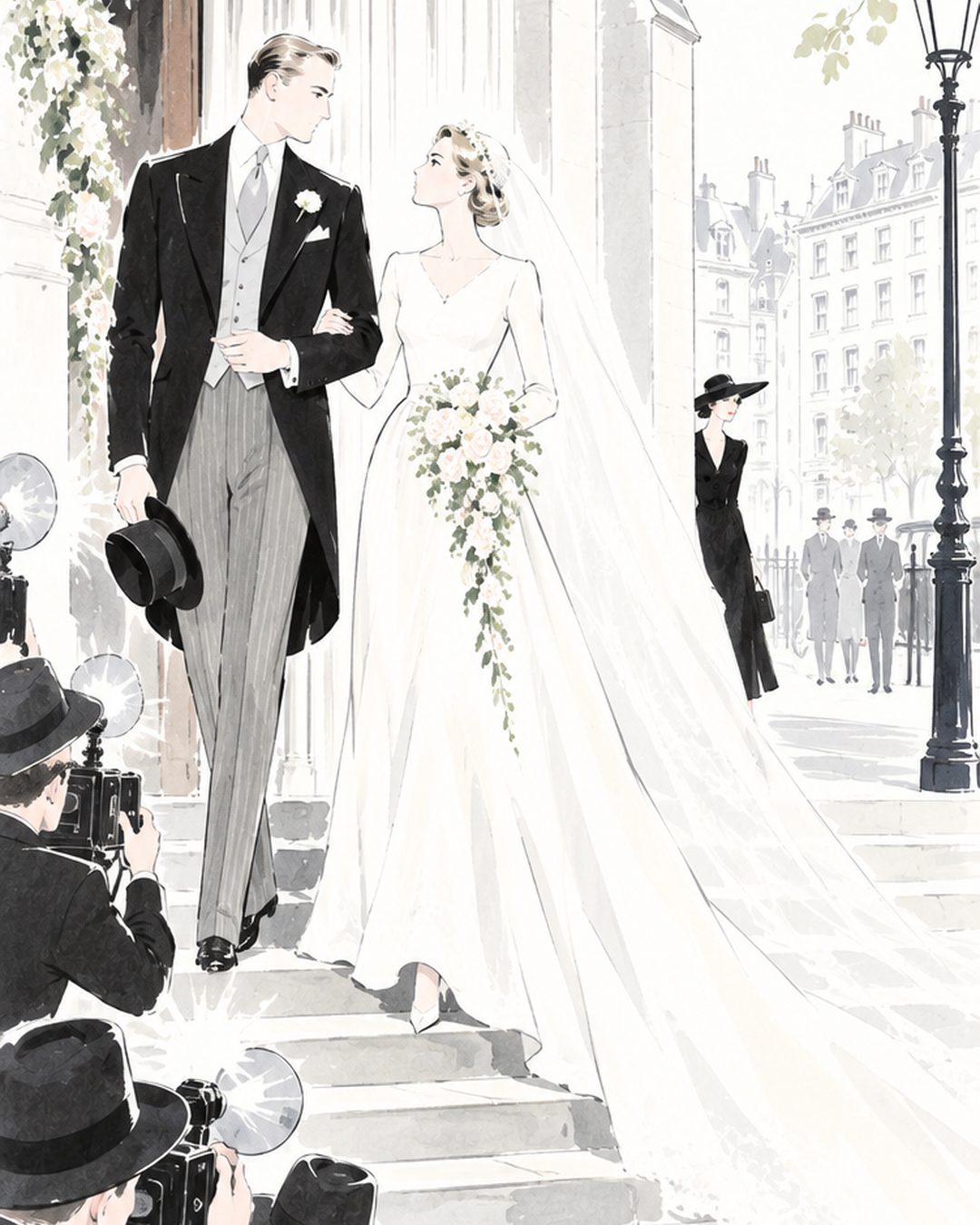
Gabrielle Bonheur Chanel was born in the town of Saumur in western France, into the family of a poor street peddler. She was eleven when her mother died of illness. Her father, Albert Chanel, took his three daughters to an orphanage at the Obazine abbey — and vanished from their lives forever.
Later she would spend her whole life rewriting this page: telling of strict aunts and of a father who had gone to seek his fortune in America. About the orphanage — not a word. She learned to hide the pain she couldn't speak of behind impeccable posture.
Now look at that monastery through her eyes. The nuns' black dresses, white collars, bare walls, strict order. Decades later the whole world would wear exactly these colors and call them Chanel. They say even the interlocking letters of her logo resemble the patterns of the monastery's stained glass.
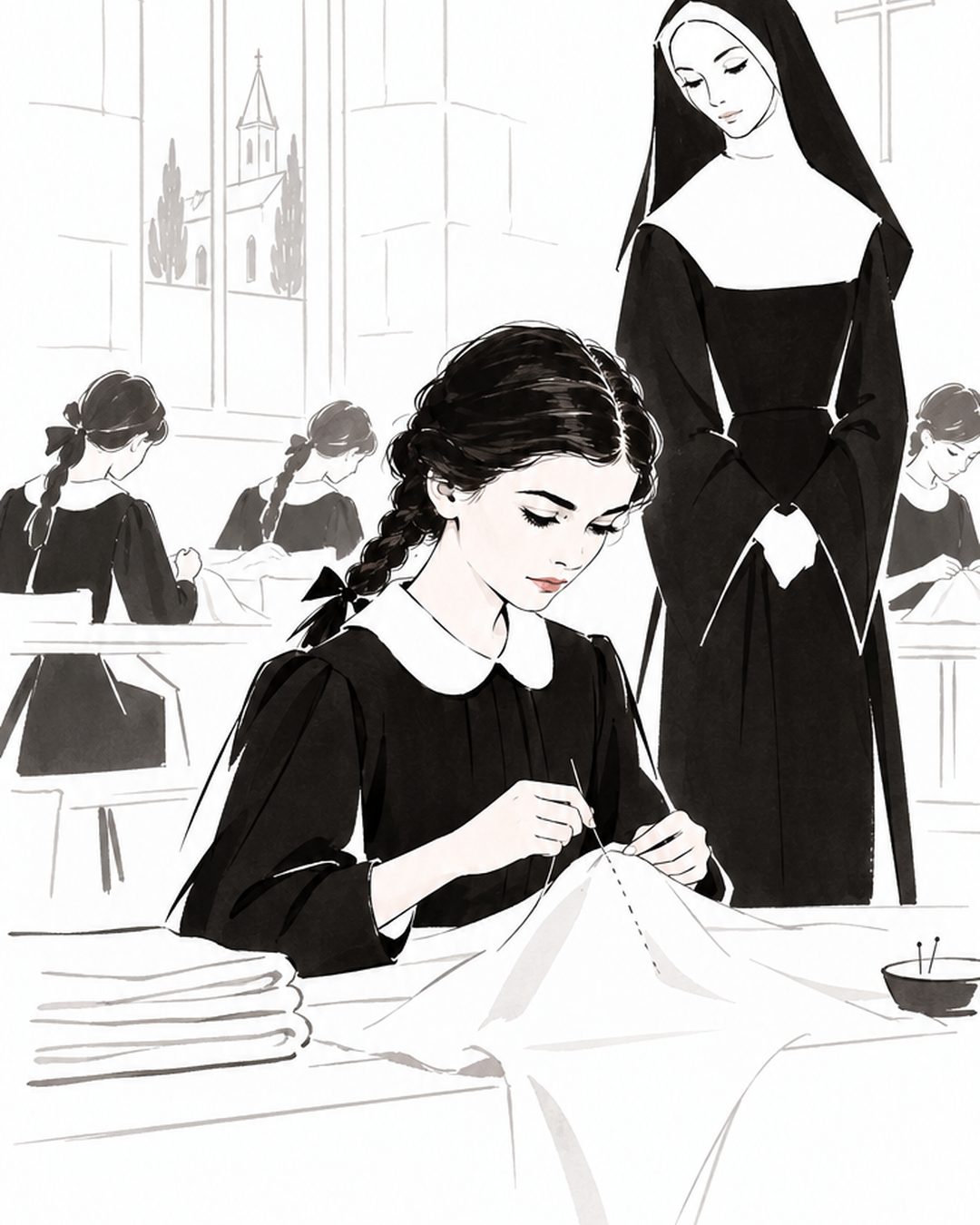
Here she learned to sew. And here, as if, she made a vow that she would fulfill with interest: I will never be poor.
Why was Gabrielle Chanel called Coco?
After the orphanage came a boarding school in Moulins, work as a seamstress and evenings in a café-concert. In front of cavalry regiment officers, young Gabrielle sang two little songs — "Ko Ko Ri Ko" and "Qui qu'a vu Coco", about a little dog named Coco who got lost in Paris. The audience sang along, and the nickname stuck to her forever.
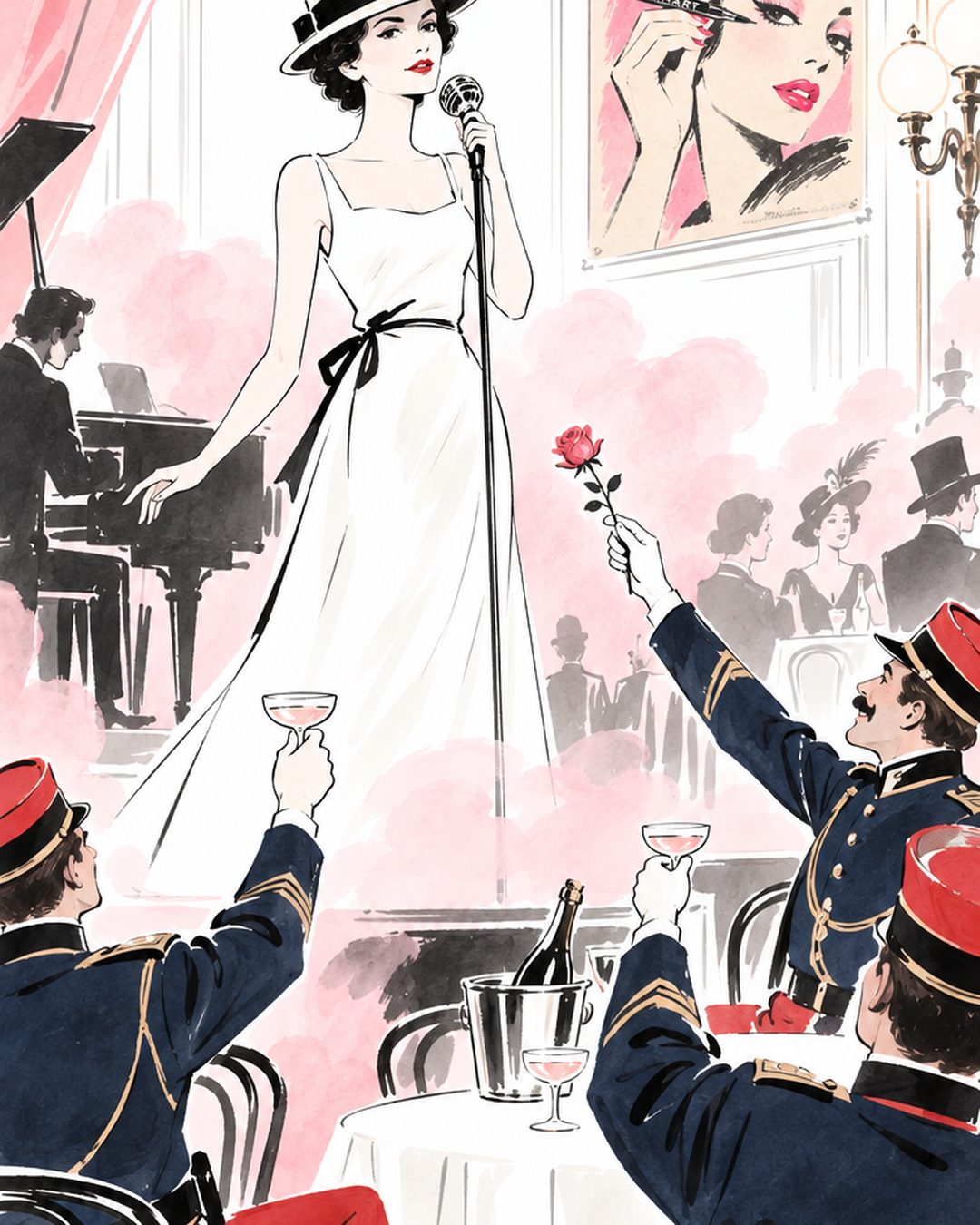
She didn't become a singer: her voice was weak and no one offered her a big stage. But among her admirers was Étienne Balsan — a wealthy heir and horse lover. He took her to his estate, Royallieu, where for the first time she saw a life in which no one counted money.
Among jockeys and society beauties in corsets, Coco dressed in men's shirts and simple hats that she made herself. The ladies laughed. And then asked her to make the same for them.
Who was Boy Capel and why is he called the love of Chanel's life?
A friend of Balsan's came to Royallieu — the Englishman Arthur Capel, whom everyone called Boy. A polo player and businessman whose family had grown rich on coal, well-read and self-assured. He was the first to see in Coco not a diversion but an entrepreneur.
Boy gave money for her first hat shop in Paris, on Rue Cambon. The business grew: a boutique in the resort town of Deauville, then a fashion house in Biarritz. And within a few years she paid him back everything — down to the last franc.
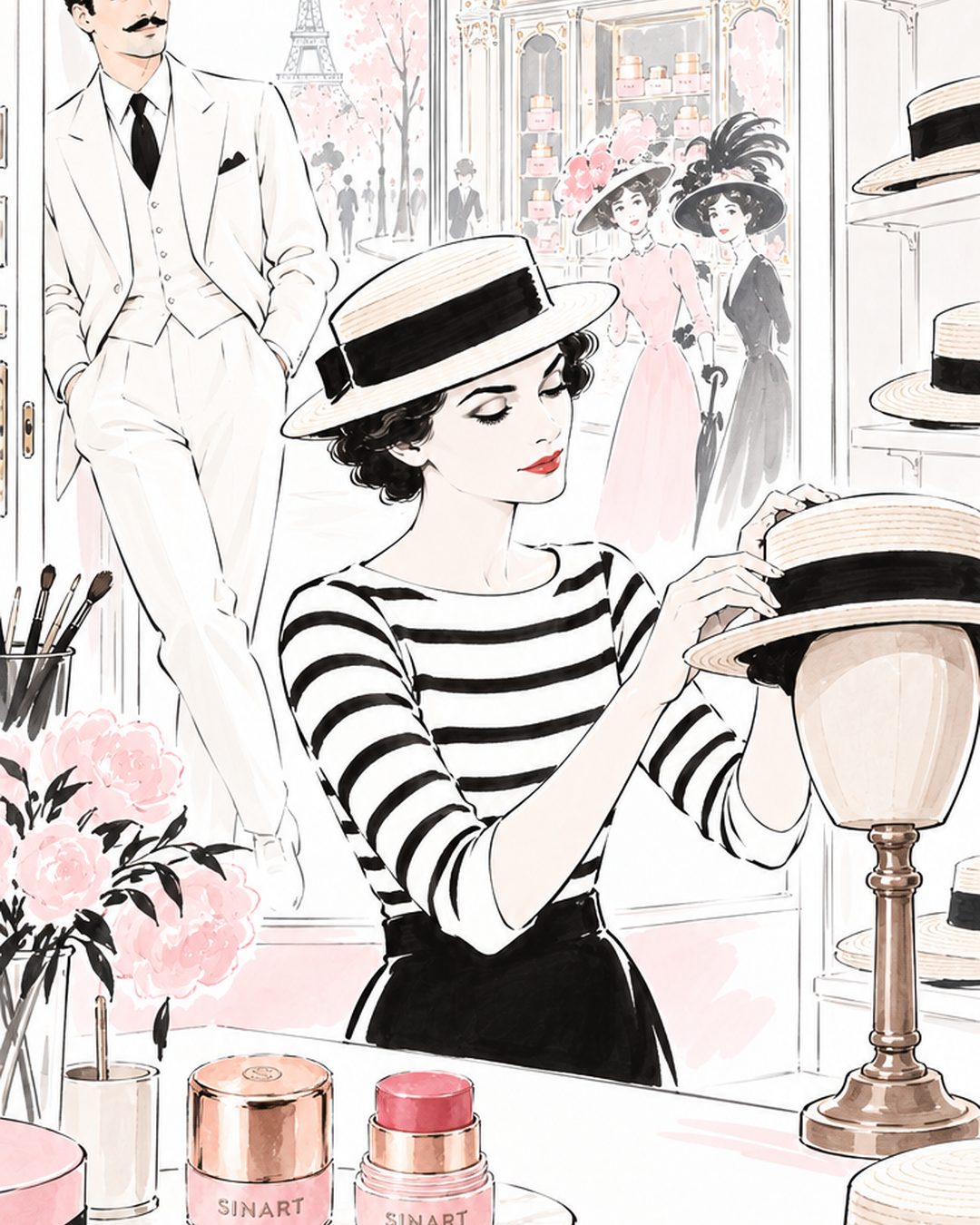
She loved him. But Boy married a woman of his own circle — the aristocrat Diana, the young widow of an officer killed in the war. And he still kept coming to Coco. Did his wife know? History is silent.
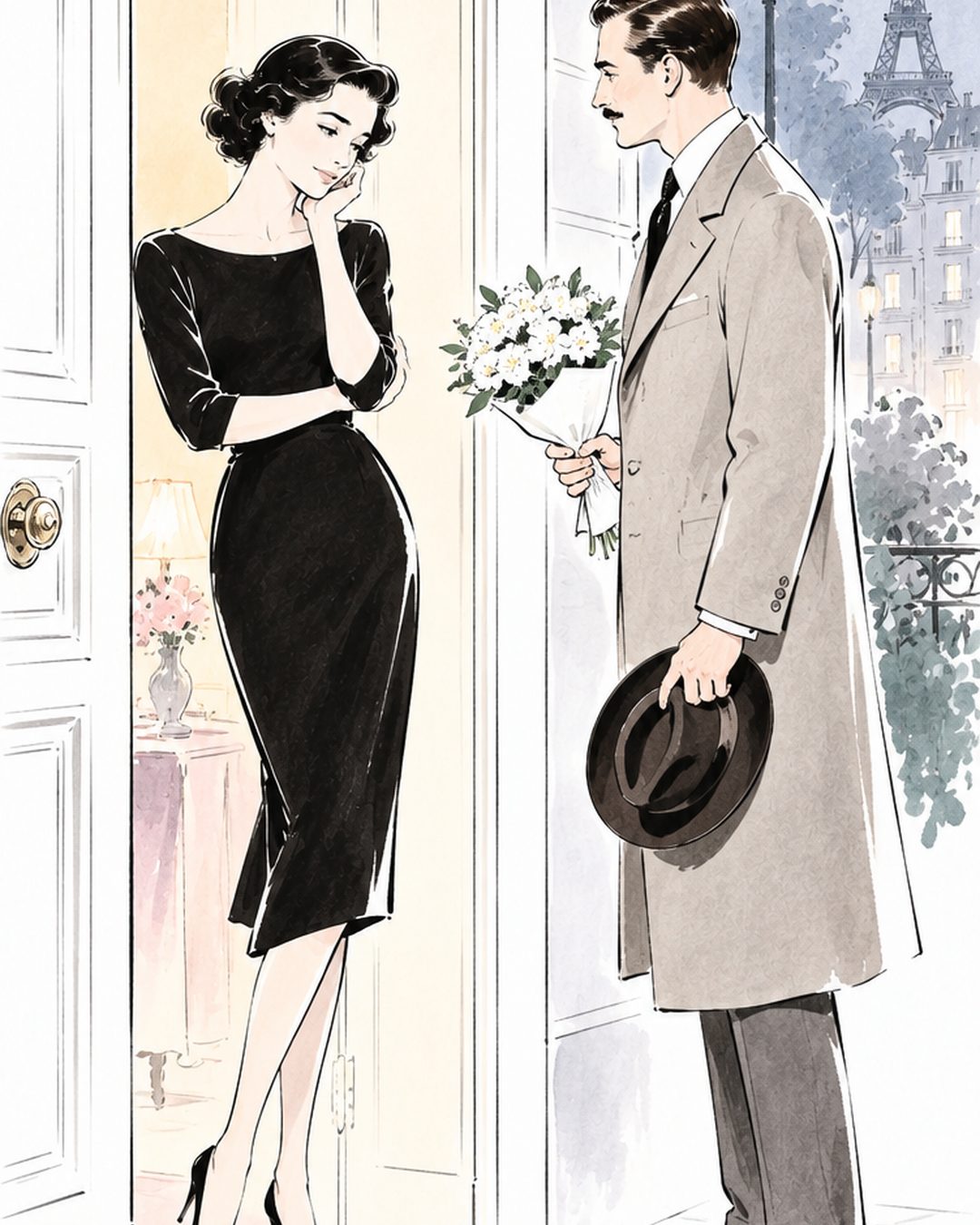
Could you keep opening the door to a man who chose another woman?
How is Boy Capel's death connected to the little black dress?
A few days before Christmas, Boy drove to the south of France. On the road near Fréjus, his car flew off the highway. He died on the spot.
They say that when Coco found out, she traveled there at night. She sat beside the burned-out car — and wept for hours. And when she returned, she ordered her bedroom painted black.
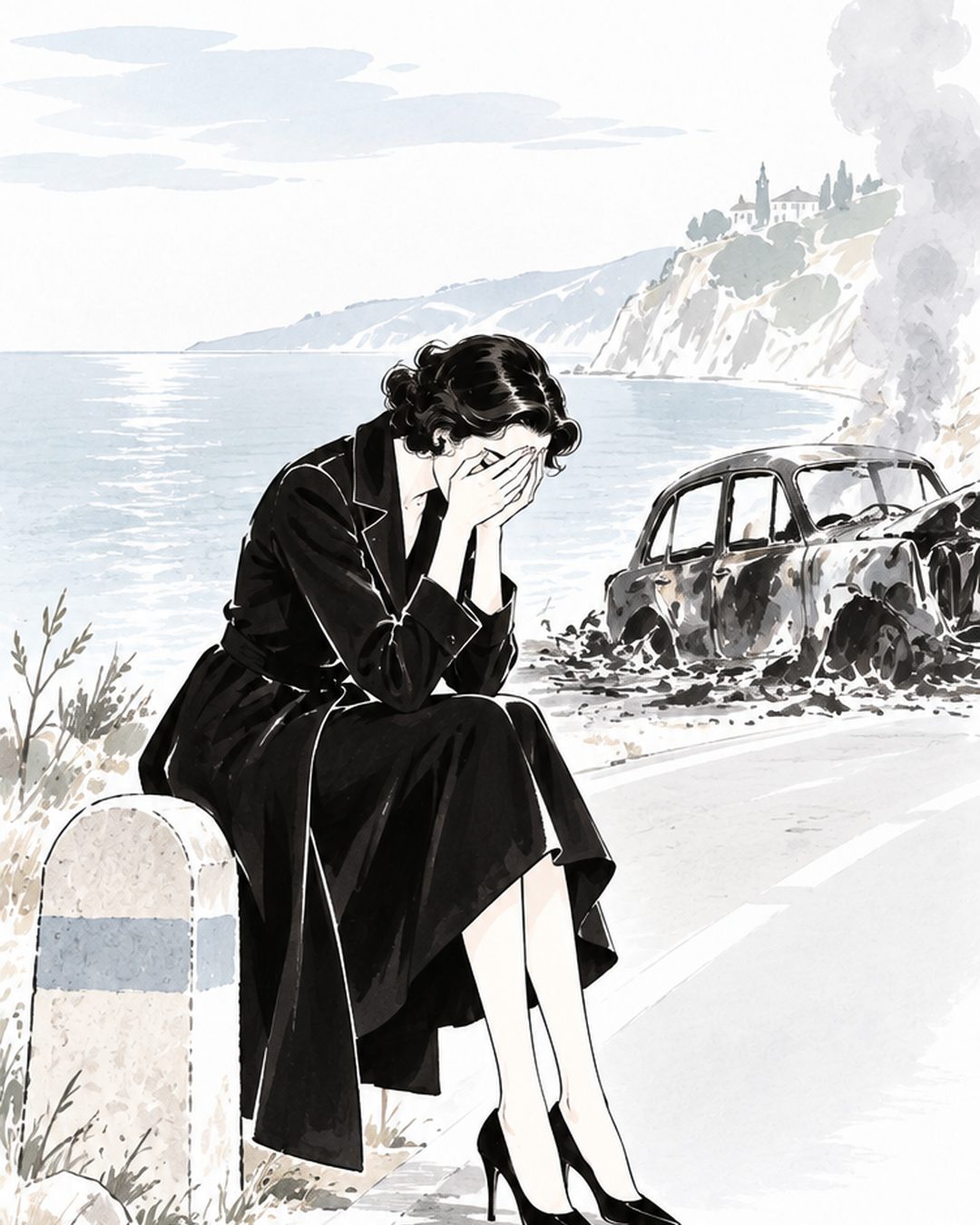
In losing Capel, I lost everything.
— Coco Chanel, from memoirs recorded by the writer Paul Morand
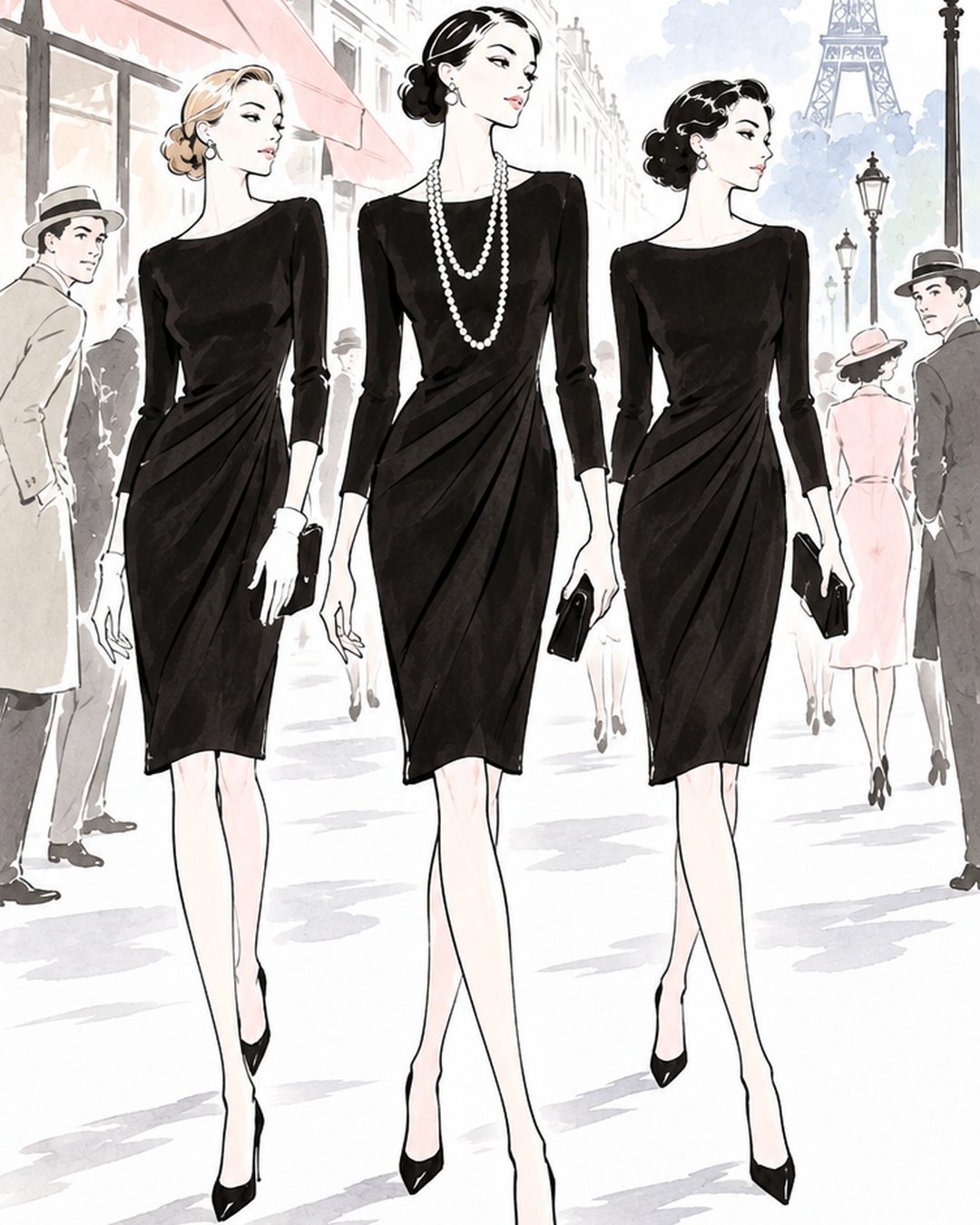
Before Chanel, black was the color of widows and maids. She turned it into the color of elegance. They say the little black dress is the mourning in which she dressed all the women in the world. Whether she thought of Boy as she drew those simple lines — no one knows.
Why is the Chanel perfume called "No. 5"?
Chanel believed in signs. Five was her lucky number. When the perfumer Ernest Beaux brought her numbered samples, she chose the vial numbered five. According to legend, she also presented the fragrance on the fifth day of the fifth month.
Her idea was a scent that smells of a woman, not of a single flower. A simple bottle, resembling a pharmacy flask, without any frills. And it became the most famous fragrance in the world.
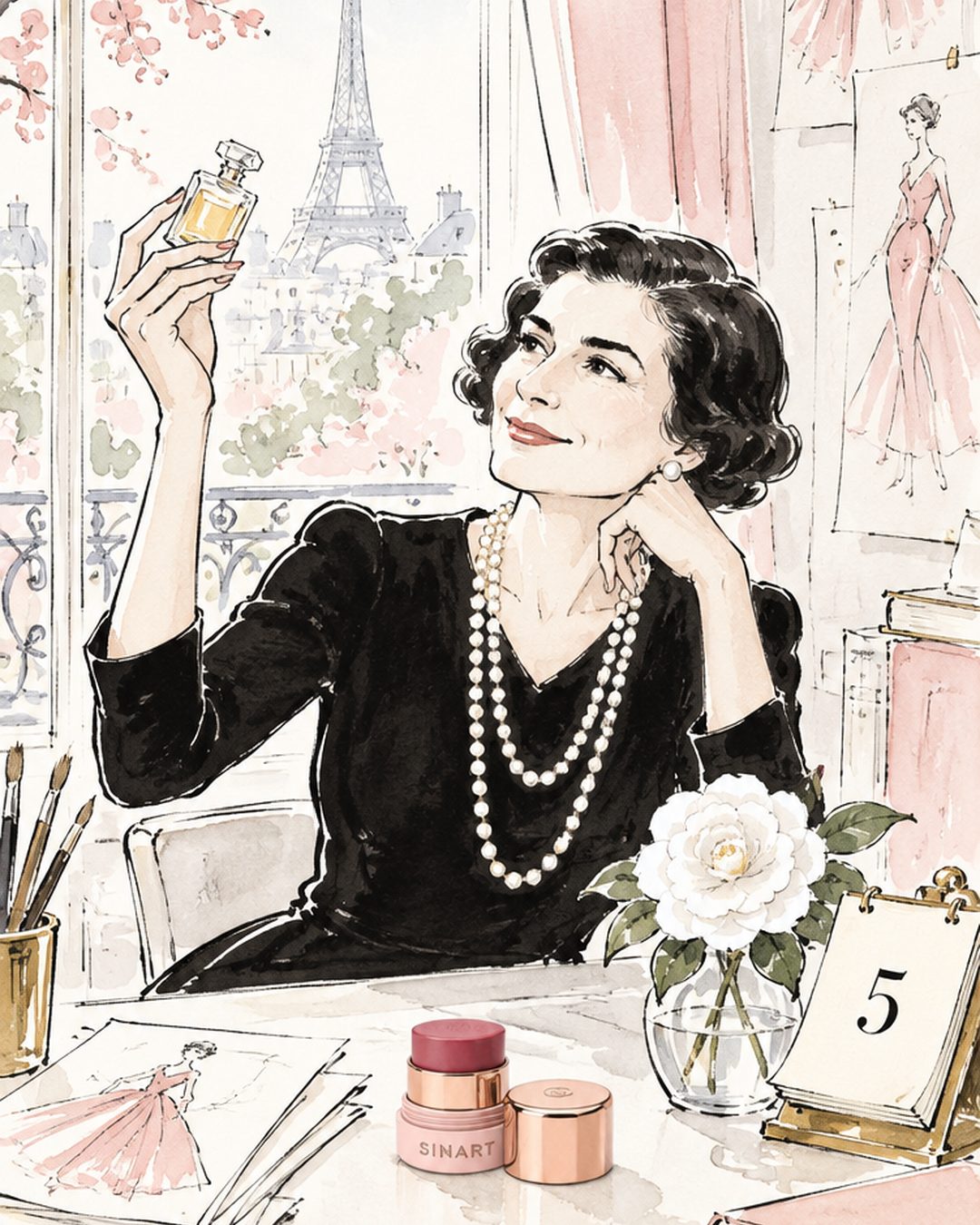
Fame, money, lovers — there would be many. A husband — none. And in her later years, according to biographers, every evening came an injection of Sedol, a morphine-based painkiller, so that she could finally fall asleep.
Chanel's secrets that aren't in the video
One more detail that is rarely mentioned: the first Chanel lipsticks and powder appeared only three years after "No. 5". The fashion house became a beauty brand long before that became a trend. Red lipstick, by the way, was Coco's personal signature.
What did Coco Chanel do during World War II?
When the war began, Chanel closed her fashion house, leaving only the fragrance boutique open. Thousands of seamstresses lost their jobs. And she lived in occupied Paris, at the Ritz hotel, with the German baron Hans Günther von Dincklage, thirteen years her junior.
She tried to use the Nazi laws to take the perfume company away from the Wertheimers, who were Jewish and had left for the US. It didn't work: the brothers had transferred control in advance to a French businessman.
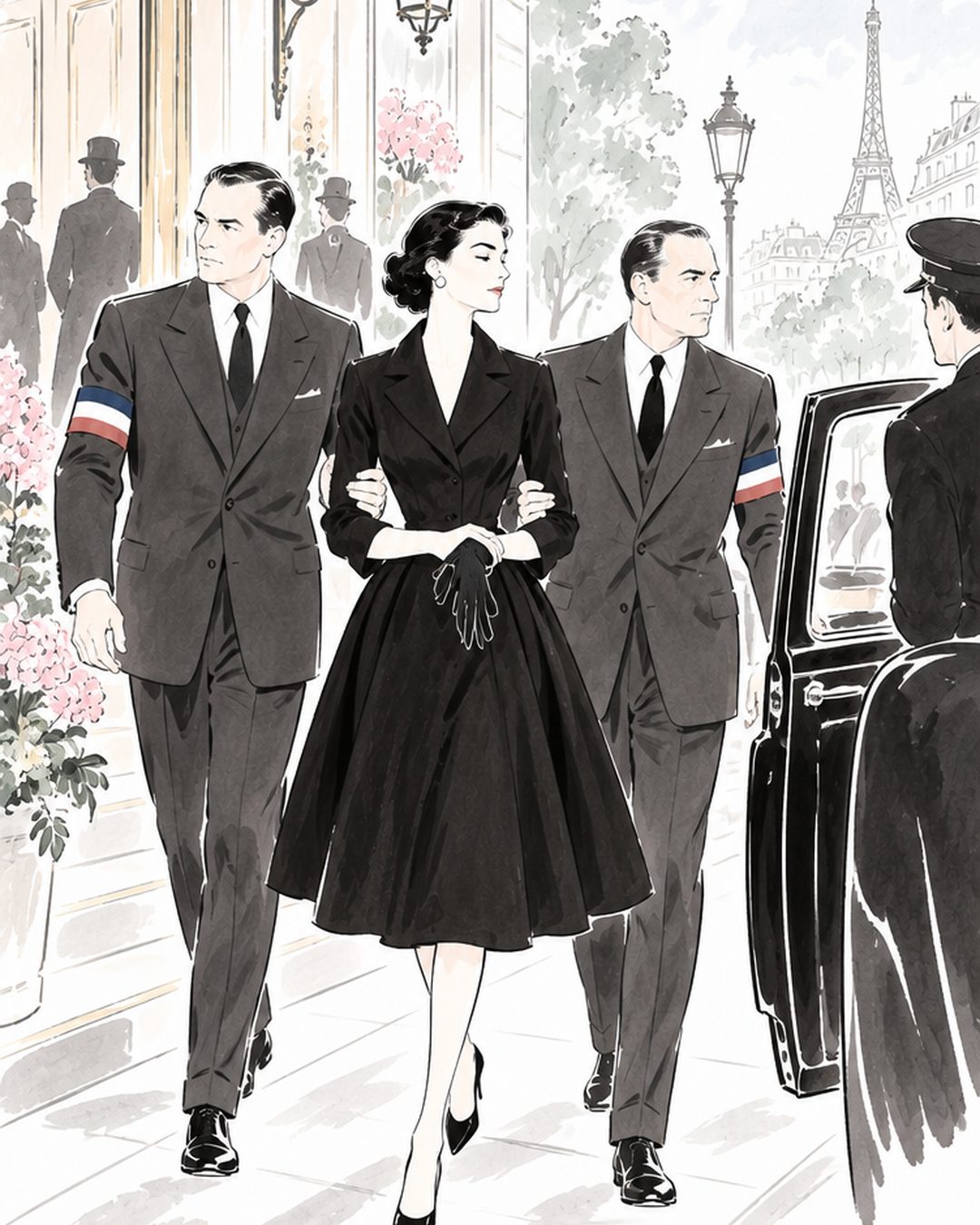
After the liberation of Paris she was taken in for questioning and released a few hours later. The most commonly cited explanation is the intercession of Winston Churchill, an old friend of the duke, but there is no proof. The biographer Hal Vaughan later found documents listing her as an agent of German intelligence under the code name "Westminster". The case never went to trial: Chanel went to Switzerland for almost ten years.
What do you think — can a person's talent be separated from their actions?
How did Chanel return to fashion at seventy?
Meanwhile, Christian Dior was pulling women back into corsets and full skirts — we've already told the story of his New Look in a separate episode. Chanel was outraged: she hadn't freed women from corsets so that they would be put back in them.
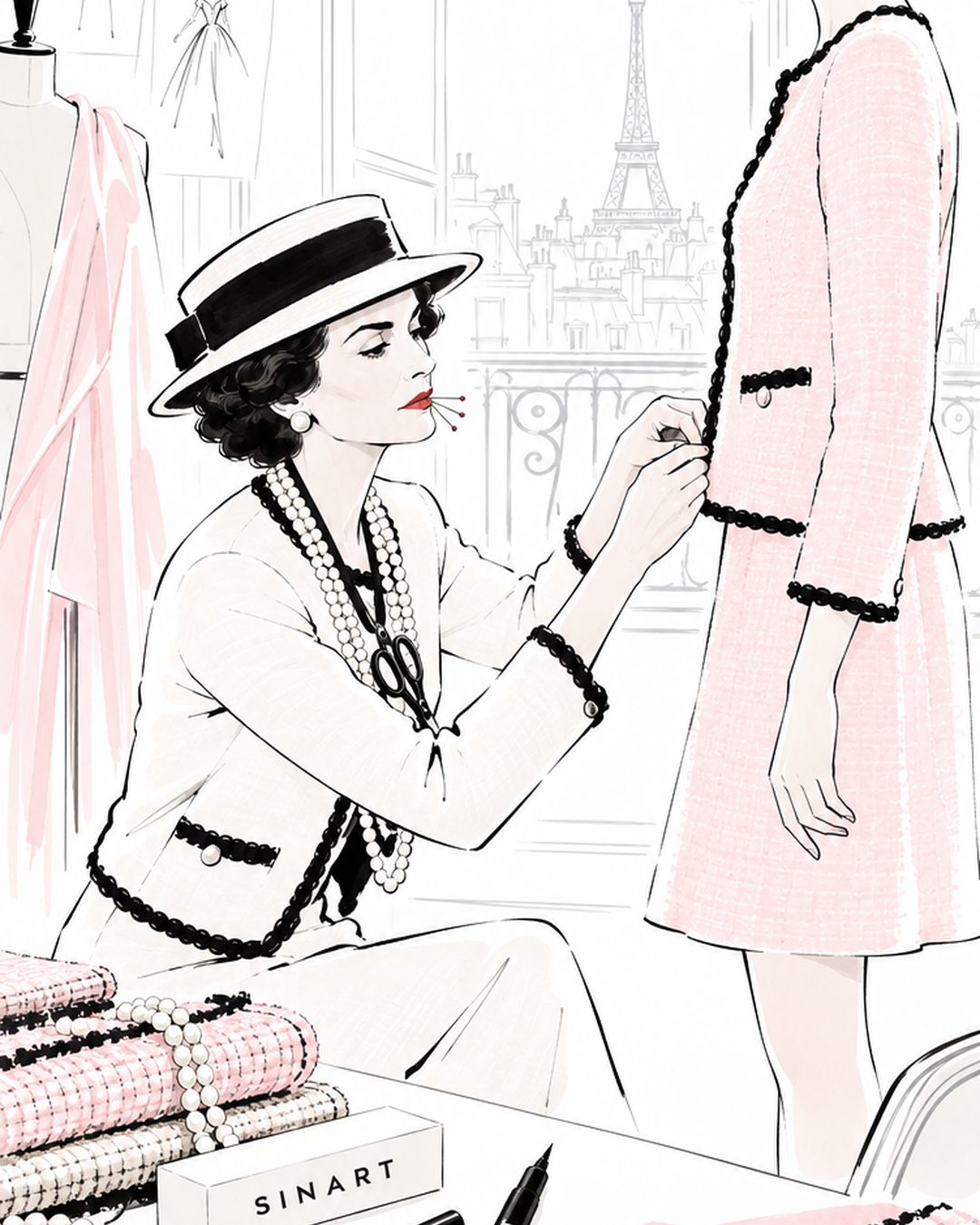
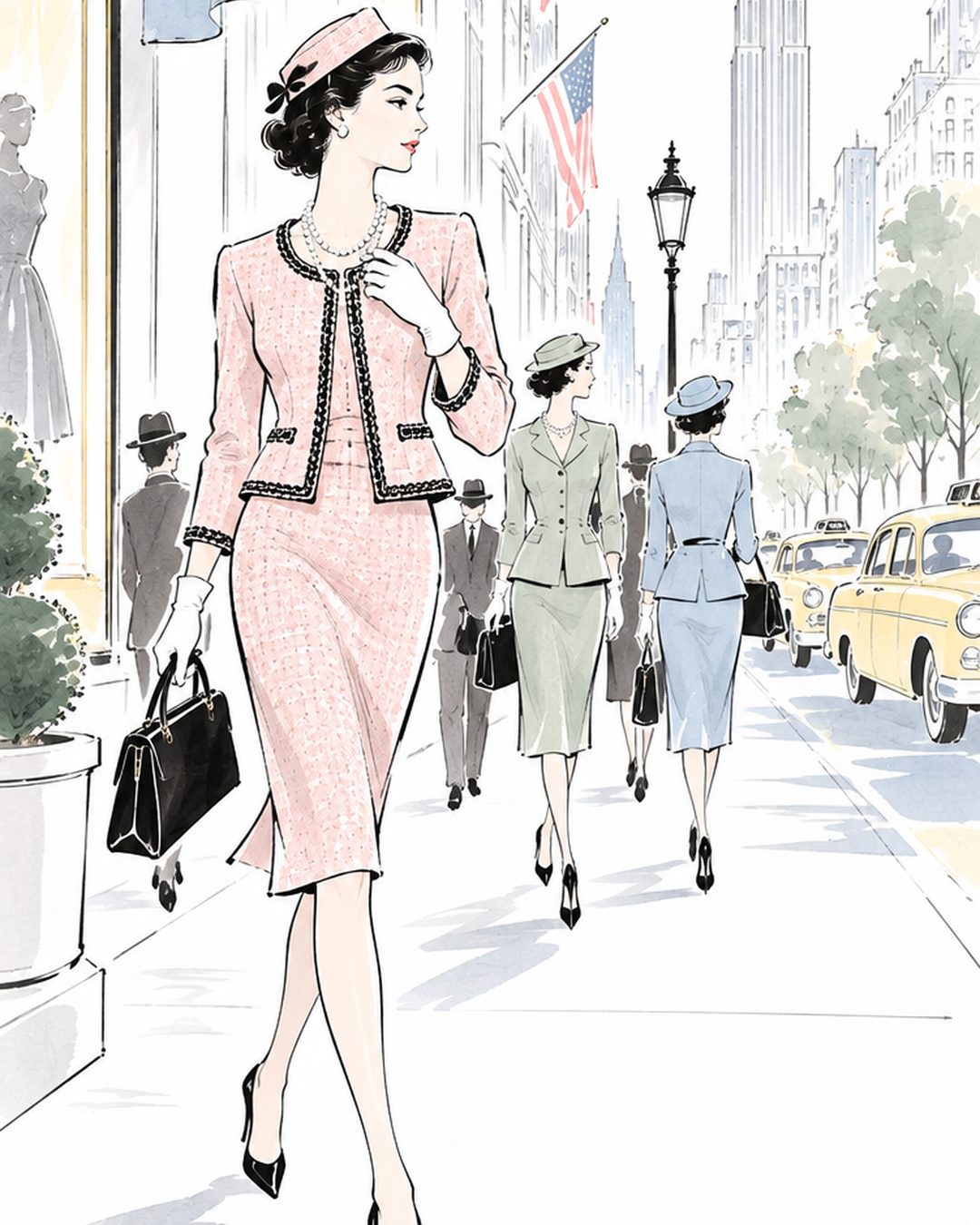
At seventy she presented a new collection. The Parisian press was merciless: old-fashioned, a ghost of the past. But America bought. A tweed suit with braid trim, a chain sewn into the jacket's hem so that it hung evenly, a bag on a chain — within a few years it was the uniform of confident women.
The comeback was financed by Pierre Wertheimer — the very man she had fought in court for years. Later he bought out the house of Chanel completely and took on all her expenses for the rest of her life. The money that once humiliated her now worked for her.
How did Coco Chanel's story end?
She worked until the very end. A winter Sunday evening, a room at the Ritz, where she had lived for more than thirty years. Coco Chanel died at eighty-seven — without a husband, without children.
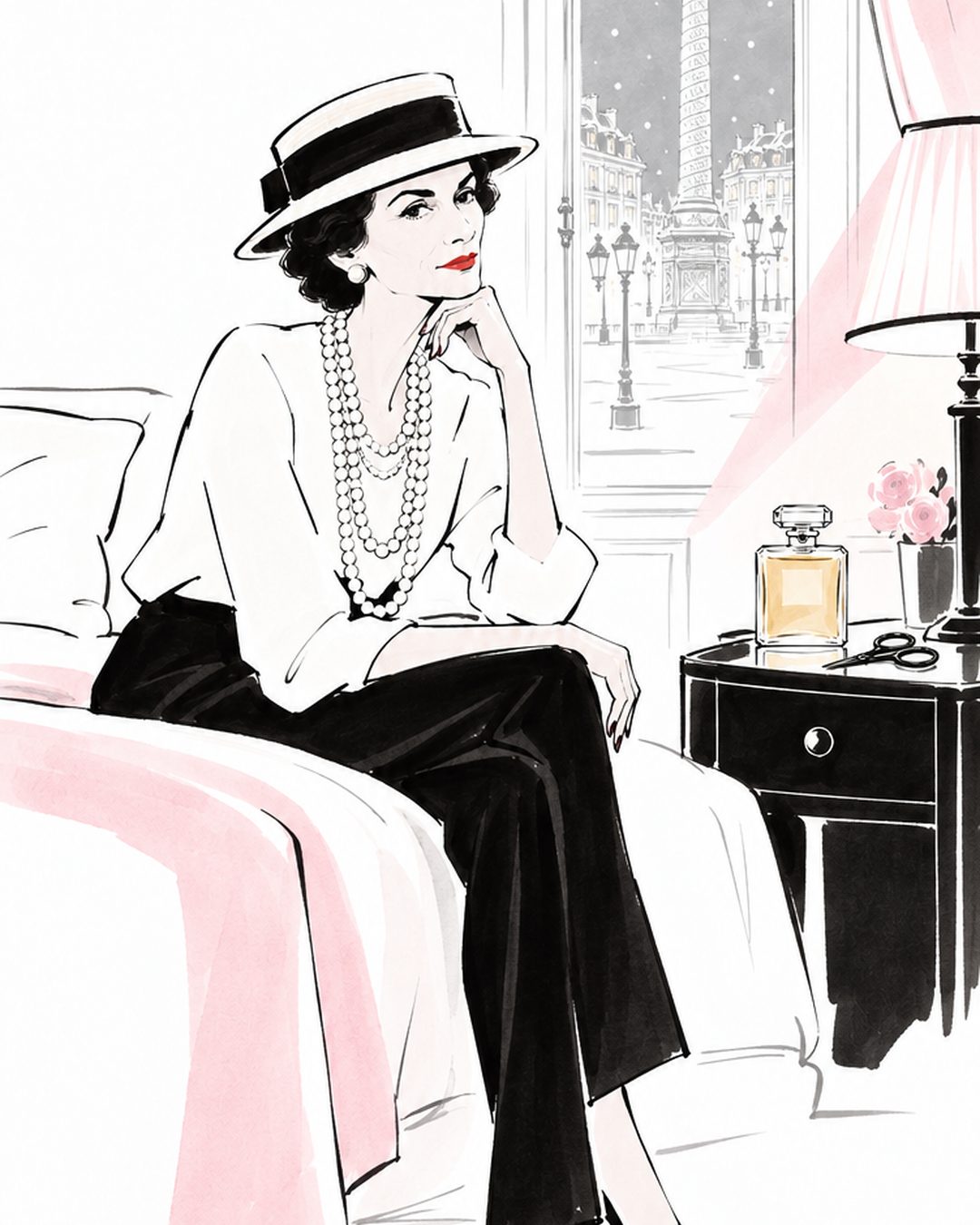
Did she think on those evenings about the boy she never bore? About the title of duchess that could have been hers? History is silent. But today her name is worn by every woman who puts on a little black dress.
Brand Profile
| Parameter | Value |
| Founder | Gabrielle "Coco" Chanel |
| Year and city | 1910, Paris — a hat shop on Rue Cambon |
| First product | Hats |
| First fragrance | Chanel No. 5 (1921), perfumer Ernest Beaux |
| First cosmetics | Lipsticks and powder (1924) |
| Iconic items | The little black dress, the tweed suit, the chain-strap bag |
| Owners today | The Wertheimer family |
Timeline
| Year | Event |
| 1883 | Gabrielle Chanel is born in Saumur |
| 1895 | Death of her mother, the orphanage at Obazine abbey |
| 1910 | Hat shop on Rue Cambon in Paris |
| 1919 | Boy Capel dies in a car accident |
| 1921 | The fragrance Chanel No. 5 |
| 1926 | Vogue calls the little black dress "Chanel's Ford" |
| 1954 | Return to fashion with a new collection |
| 1971 | Death at the Ritz hotel in Paris |
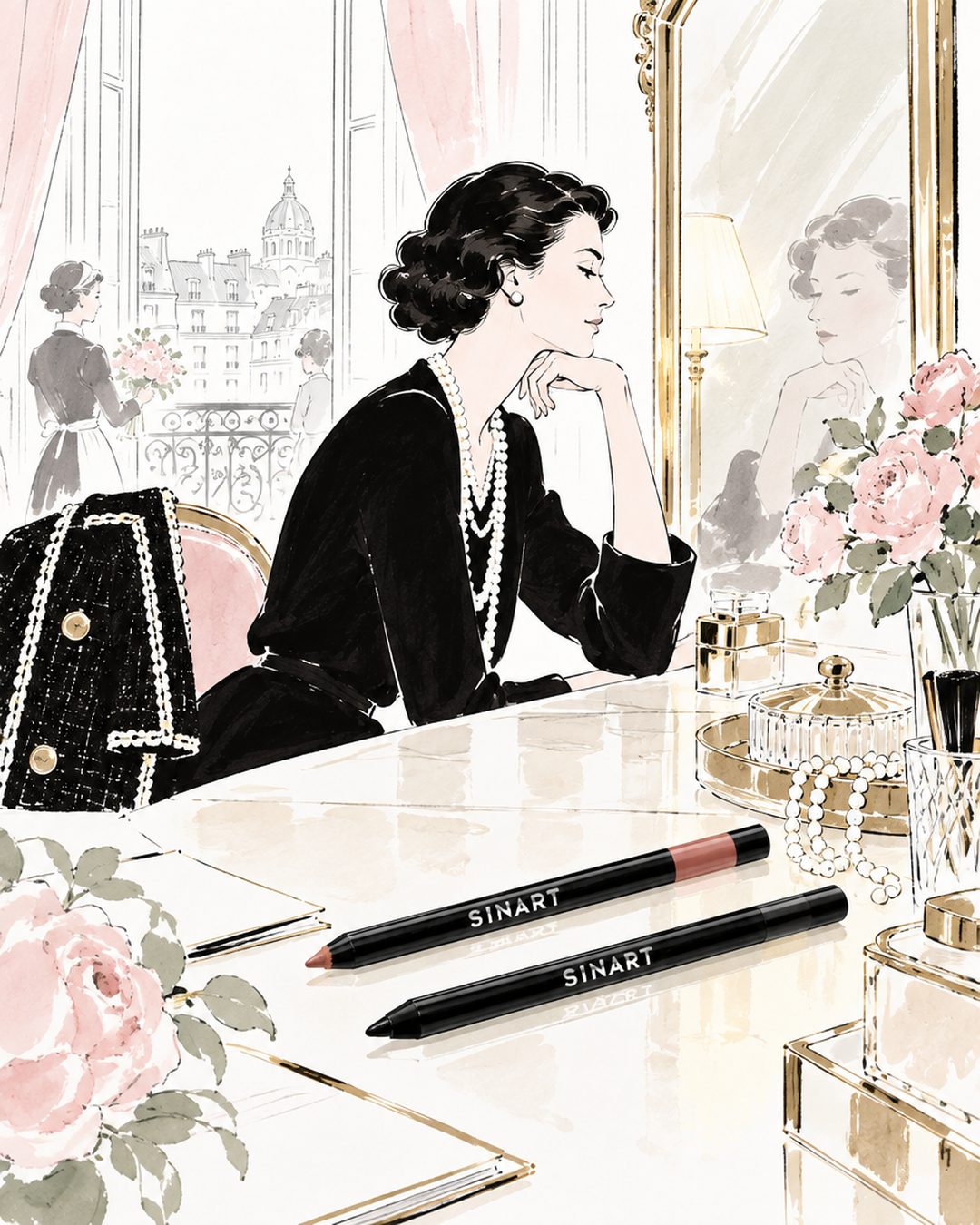
A black dress, pearls and red lips — Chanel built her look like armor: not a single extra stroke, only a clear contour. The same principle works today: the simpler the look, the more important the precision of the line.
A neat lip contour is easy to draw with the LIPLINERPRO lip pencil, and a deep black accent for your gaze with the EYEPENCILPRO BLACK NIGHT eye pencil. Two pencils — and you're ready for your entrance on the mirrored staircase.
LIPLINERPRO lip pencil · EYEPENCILPRO BLACK NIGHT eye pencil
You've read to the end — now watch this story on video: the orphanage in Obazine, Boy Capel, the "No. 5" bottle and the comeback at seventy. Subscribe to SINART on YouTube so you don't miss new episodes of "SINART. The DNA of Beauty".
Today Chanel is a private company owned by the grandsons of Pierre Wertheimer, Alain and Gérard. So the very money Coco fought against all her life preserved her name for the world.
In the next episode of "SINART. The DNA of Beauty" — L'Oréal: the richest woman in the world, who gave a billion to a photographer. In the meantime, tell us: what would you have chosen in Coco's place — the title of duchess or your own name on a sign?
Read also
Frequently asked questions
Why was Coco Chanel called Coco?
Chanel's real name was Gabrielle. In her youth she sang at a café-concert in Moulins for cavalry regiment officers, and her repertoire included the songs "Ko Ko Ri Ko" and "Qui qu'a vu Coco" — about a little dog named Coco who got lost in Paris. The audience sang along and began calling her that. The nickname stuck forever and later became part of a global brand.
Who was Boy Capel?
Arthur "Boy" Capel was an English businessman and polo player, the greatest love of Coco Chanel. He gave money for her first hat shop in Paris and acted as guarantor at the bank. Chanel repaid him the debt in full. Capel married the aristocrat Diana but did not end his relationship with Coco. In December 1919 he died in a car accident in the south of France.
Why didn't Coco Chanel marry the Duke of Westminster?
Hugh Grosvenor, the 2nd Duke of Westminster, had a relationship with Chanel in the 1920s. He needed an heir, because his only son had died in childhood. Chanel was already over forty, and, according to biographers, despite doctors and treatments, no child came. In 1930 the duke married Loelia Ponsonby, almost twenty years younger than Coco.
Did Coco Chanel have children?
No, Coco Chanel had no children and never married. Biographers write that in her relationship with the Duke of Westminster she tried to become pregnant and consulted doctors, but without success. The closest family member to her was her nephew André Palasse, the son of her sister Julia, whom she looked after all her life.
Why is the Chanel perfume called No. 5?
The perfumer Ernest Beaux brought Chanel several numbered samples, and she chose the vial numbered five. Coco considered five her lucky number. According to legend, the fragrance was presented on May 5, 1921. Chanel wanted a perfume that smells of a woman, not of a single flower, and chose a minimalist bottle resembling a pharmacy flask.
Who invented the little black dress?
The little black dress as a symbol of elegance was popularized by Coco Chanel. In 1926, American Vogue published a drawing of her simple black dress with long sleeves and called it "Chanel's Ford" — an item for every woman. Before that, black was considered the color of mourning and servants' uniforms. They say Chanel was inspired to use black by her mourning for Boy Capel.
Where did Coco Chanel grow up?
Coco Chanel was born in 1883 in Saumur in western France. After her mother's death, when Gabrielle was eleven, her father placed his three daughters in an orphanage at the Obazine abbey in the Corrèze region. There she learned to sew. Later Chanel concealed this past and invented stories about aunts and a father who supposedly went to America.
What did Chanel do during World War II?
Chanel closed her fashion house, leaving only the fragrance boutique, and lived at the Ritz hotel in Paris with the German baron Hans Günther von Dincklage. She tried to use the Nazi laws to take the perfume company away from the Wertheimers. After the liberation of Paris she was questioned and released within a few hours, after which she settled in Switzerland for almost ten years.
How old was Chanel when she returned to fashion?
Coco Chanel returned to fashion in February 1954, when she was seventy. The Parisian press criticized the collection, but American customers loved her tweed suits. The comeback was financed by Pierre Wertheimer, who later bought out the house of Chanel completely. One of the reasons for the return was Chanel's outrage at the corsets of Christian Dior's New Look.
Where and when did Coco Chanel die?
Coco Chanel died on January 10, 1971, at the Ritz hotel in Paris, where she had lived for more than thirty years. She was eighty-seven. She worked until her last days, preparing a new collection. Chanel is buried in Lausanne, Switzerland. After her death the fashion house continued its work, and later it was headed by the designer Karl Lagerfeld.
When did Chanel cosmetics appear?
The first Chanel cosmetics — lipsticks and powder — appeared in 1924, three years after the fragrance Chanel No. 5. They were produced by Parfums Chanel, created together with the Wertheimer brothers. Red lipstick was Coco's personal signature, so the appearance of lipstick under her name was a logical extension of her image.
Who owns Chanel now?
Chanel is a private company owned by the brothers Alain and Gérard Wertheimer, grandsons of Pierre Wertheimer, Coco Chanel's partner in the perfume business. It was Pierre Wertheimer who financed her return to fashion in 1954 and bought out the house completely. Chanel shares are not traded on the stock exchange, and the company's CEO is Leena Nair.