Author: Olya Sinegina · SINART · Published: 24.11.2026
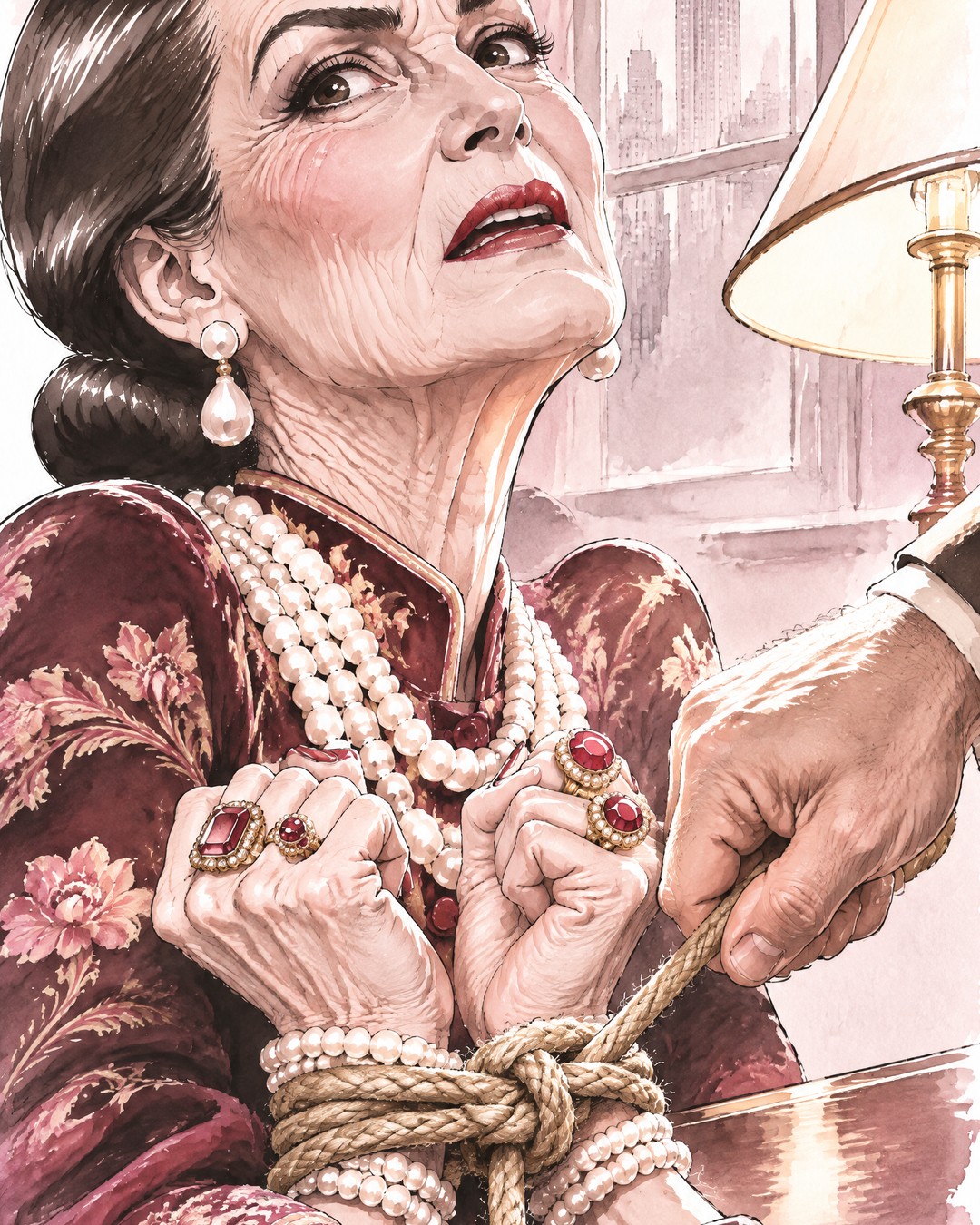
New York, Park Avenue. Three men burst into a luxurious apartment, tie up the owner and demand the key to the safe. She is over ninety. She is four foot ten. This is Helena Rubinstein — a woman who spent sixty years selling beauty to the whole world. She looks the robbers straight in the eye. Will she give up everything — or nothing at all? To understand the answer, we have to go back seventy years.
In this story
- Who was Helena Rubinstein and where was she from?
- How did Helena Rubinstein end up in Australia?
- How was the first Helena Rubinstein cream, Valaze, born?
- Who was Helena Rubinstein's husband?
- Why did Helena Rubinstein sell her company?
- How did Helena Rubinstein get her company back?
- Helena Rubinstein vs Elizabeth Arden: a war that lasted half a century
- "You can kill me. But you will not rob me"
- Helena Rubinstein makeup and skincare: how to recreate her look today
- Helena Rubinstein's beauty secrets in her own words
- What happened to the Helena Rubinstein brand after her death?
- Frequently asked questions
Who was Helena Rubinstein and where was she from?

Kraków. A cramped, poor home, eight daughters, and Helena is the eldest. Her father has already decided: she will marry a widower much older than her. That was how daughters' lives were arranged back then — no questions asked. But Helena says "no". Quietly, yet in a way that makes the whole house go cold.
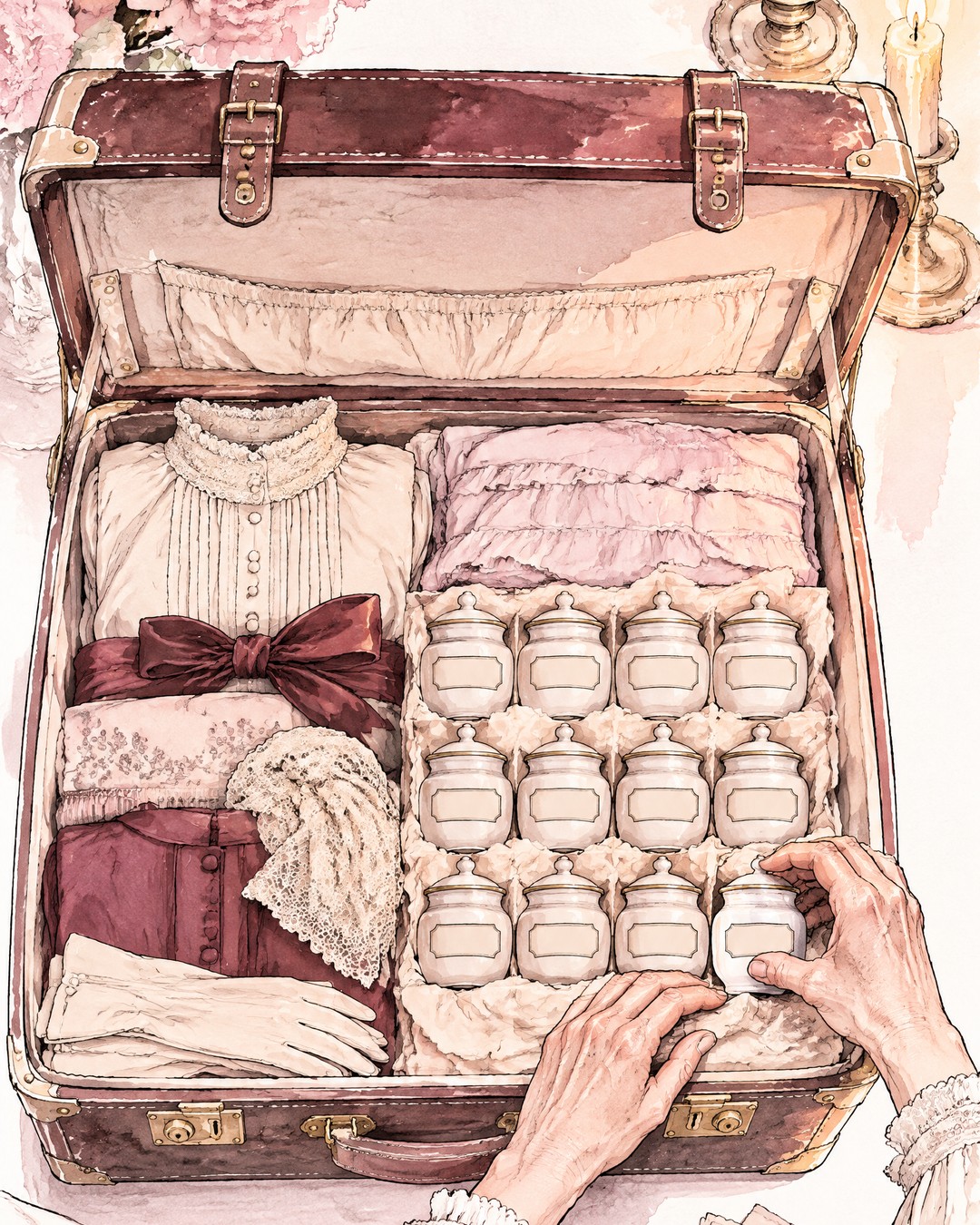
The punishment is the end of the world. She is sent to an uncle in Australia. As a farewell, her mother puts what she has into the suitcase: twelve jars of her own face cream. Like a small piece of home to carry along.
How did Helena Rubinstein end up in Australia?

In 1896 Helena steps ashore in a small town where sheep outnumber people. Scorching sun, dusty wind, almost no English. After a quarrel with her uncle she moves to Melbourne and becomes a waitress. Other people's plates, a foreign language, hands red from hot water.

She saves every coin. No bank would lend money to a woman then, so she can only count on herself. Meanwhile the local women, sunburnt and weather-beaten, stop her in the street: "What have you done to your skin? What do you put on it?"
How was the first Helena Rubinstein cream, Valaze, born?
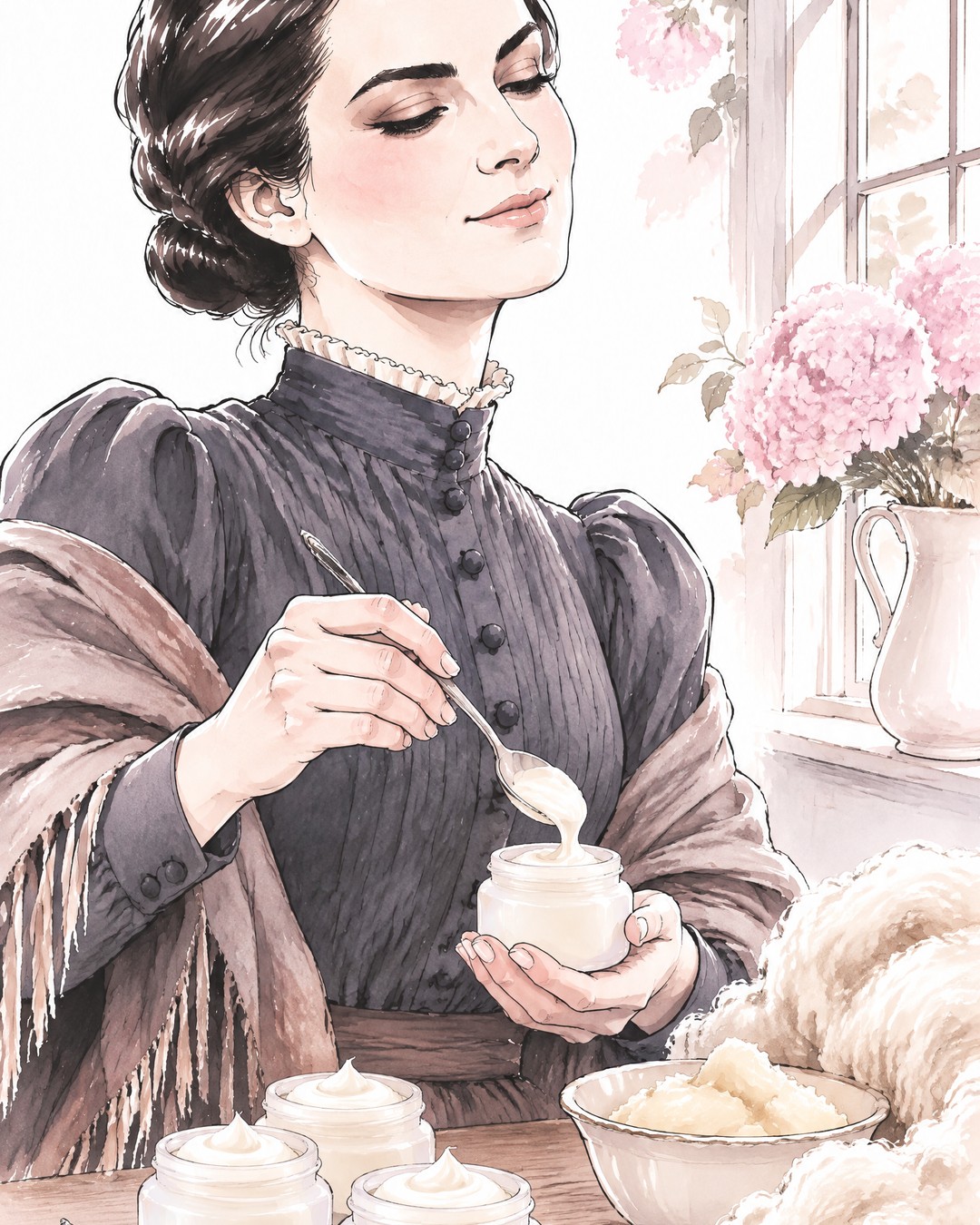
Her mother's cream runs out. So Helena makes her own — from lanolin, the wax of sheep's wool, which Australia has in abundance. She calls it "Valaze". The jars sell faster than she can fill them. A few years later she has her own salon, and her fame runs ahead of her — all the way to London.
Who was Helena Rubinstein's husband?
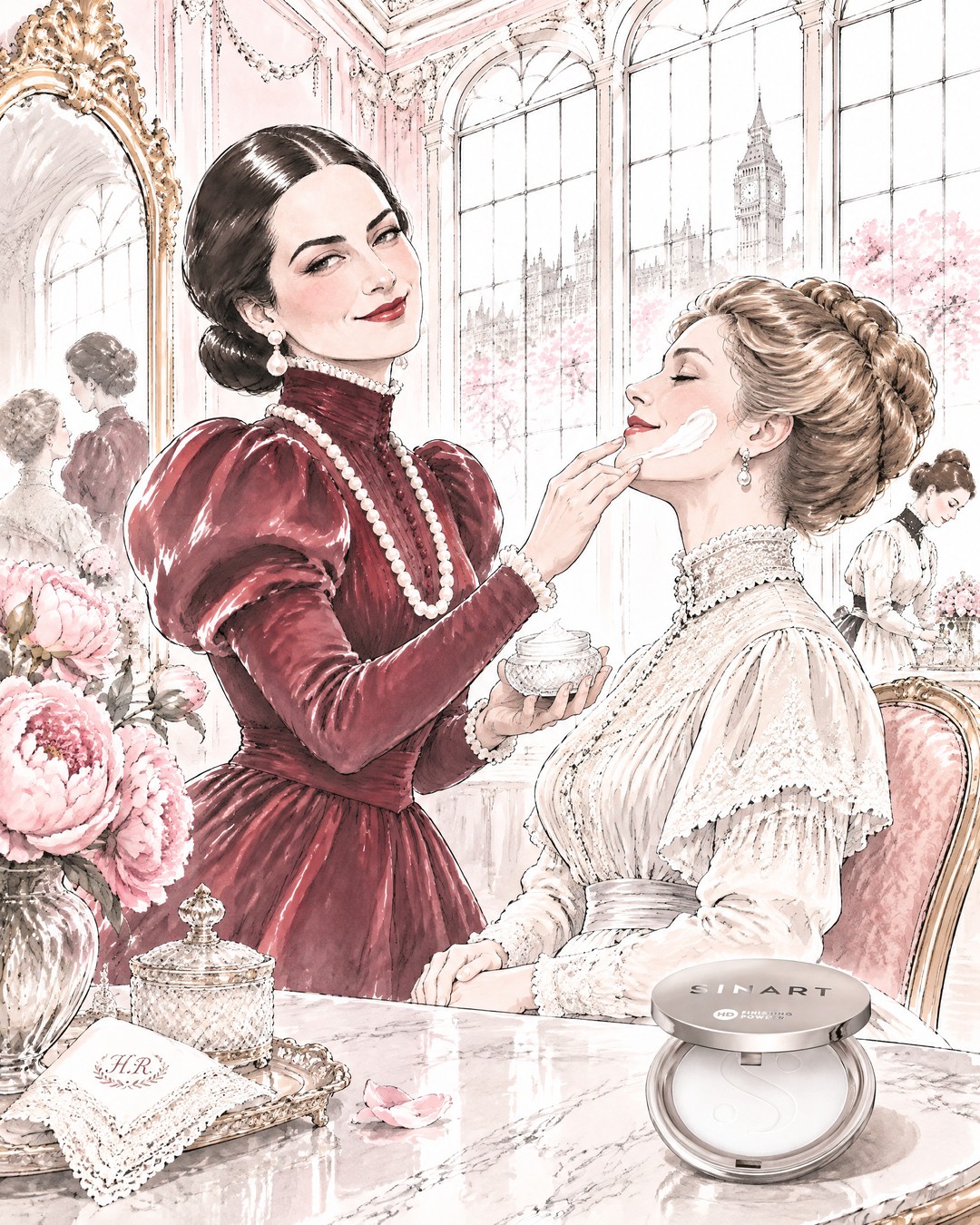
London. Her own salon, queues of aristocrats. A woman who only yesterday washed other people's dishes now touches the faces of duchesses. And it is here that she meets him — the American journalist Edward Titus. Witty, handsome, light-hearted. She never believed she would fall in love: work always came first.

Well into her thirties, Helena marries him. He writes her advertising copy — she builds an empire. Two sons, salons in London and Paris, evenings among writers and artists. It seems she finally has everything.


Why did Helena Rubinstein sell her company?

Then comes New York. Salons all over America, a face recognised in every magazine. This seems to be the summit. But Edward cheats. Again. And again. They say she knew about every woman — and kept silent, afraid of losing him.

And then Helena does the unthinkable. In 1928 she sells her American company to the bankers of Lehman Brothers — for $7.3 million. To prove to her husband that he matters more to her than her life's work. Did he believe her? History is silent. But it is too late — Edward leaves anyway.
How did Helena Rubinstein get her company back?

A year later Wall Street collapses. The shares of her former company lose most of their value. The bankers who bought "Madame Rubinstein's cosmetics" have no idea what to do with them.

Helena does not cry. She quietly buys up the shares — for pennies. Soon control of the company is hers again: according to her biographers, for about $1.5 million, nearly five times less than she sold it for. The woman who gave away her empire for love won it back for herself.
Helena Rubinstein vs Elizabeth Arden: a war that lasted half a century

She had a rival — Elizabeth Arden, the owner of the salons with red doors. They poached each other's staff, copied each other's creams, quarrelled through the newspapers. When Arden lured away Helena's entire team, Helena hired… Arden's ex-husband. These two women were at war for half a century — and, they say, never once met face to face.


"You can kill me. But you will not rob me"

And so — Park Avenue, 1964. Rope on her wrists. She is over ninety and barely reaches the robber's shoulder. She looks him in the eye and says: "You can kill me. But you will not rob me." She hides the key to the safe on herself — and the robbers flee with almost nothing.
She lived for another year and passed away peacefully at ninety-two. The girl they wanted to marry off to a man she did not love chose for herself whom to love — and decided for herself when to stop.
Watch the short «DNA of Beauty» episode about Helena Rubinstein — the story comes alive on screen.
Helena Rubinstein makeup and skincare: how to recreate her look today
Helena Rubinstein said that beauty starts with the skin and makeup only enhances it. She was among the first to divide skin into types — dry, oily and combination — and to match care to each. In portraits and photos she always has a flawless, even complexion, blush on the cheekbones, defined eyes and well-groomed lips. Here is how to recreate the look with modern products in 10 minutes.
- Skincare first. Moisturise with a cream for your skin type and let it absorb for 3–5 minutes — Helena began every ritual with this step.
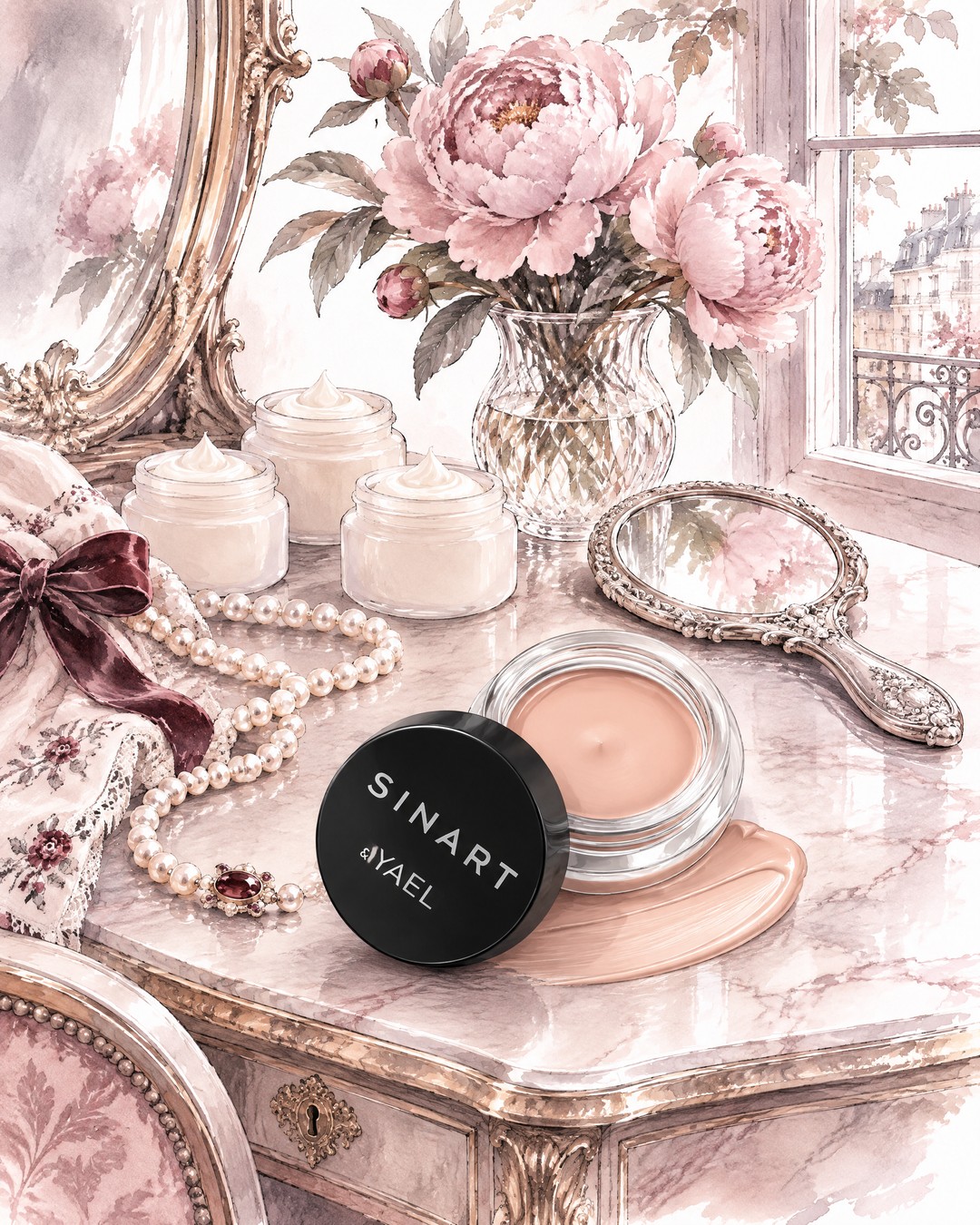
- Even tone without a mask. Use 03 CONCEALER by YAEL to cover under-eye shadows and redness, then blend with a finger or sponge — the skin should glow, not look covered.
- A portrait finish. Sweep HD FINISHING POWDER lightly over the T-zone to remove shine while keeping the glow on the cheekbones.
- A "fresh from the cold" flush. Apply B1 BLUSHPRO to the apples of the cheeks and blend towards the temples — the era's favourite trick for a fresher face.
- Defined eyes. A thin line along the lashes and mascara — Helena helped make mascara an everyday product and, according to L'Oréal, bought the patent for the first waterproof mascara in 1939.
- Cared-for lips. Smooth and soften the lips with Lip Perfector Balm by DashaVisag, adding a classic berry lipstick if you like.
🛍 Products from this story
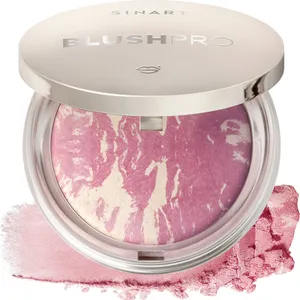
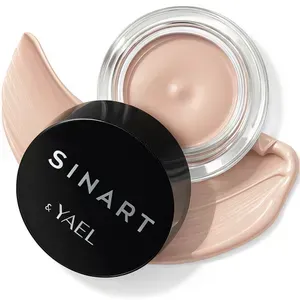

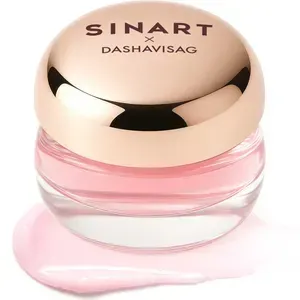
Helena Rubinstein's beauty secrets in her own words
- "There are no ugly women, only lazy ones." The line is attributed to her: daily care matters more than what nature gave you.
- Science as beauty's ally. She hired doctors and chemists, opened her salons as "beauty institutes" and taught clients that skincare must be systematic.
- Care by skin type. The division into dry, oily and combination skin that every girl knows today was something she popularised in the early 20th century.
- Blush and glow. Even at 90 she never went out without makeup: blush, powder and neat lips were her "uniform".
What happened to the Helena Rubinstein brand after her death?
After the founder died in 1965, the company changed hands several times: it was bought by Colgate-Palmolive, then by financial groups, and since 1988 the brand has been wholly owned by L'Oréal. Today Helena Rubinstein is a luxury skincare brand within L'Oréal Luxe, known for creams for mature skin; it has long been withdrawn from the US, and its main markets are Europe and Asia. The name that once stood on twelve jars of her mother's cream is still on the shelves of upmarket stores.

Key dates at a glance
| Year | Event |
|---|---|
| 1872 | Born in Kraków, the eldest of eight daughters |
| 1896 | Moves to Australia, later works as a waitress in Melbourne |
| 1902 | Her own salon in Melbourne, Valaze cream |
| 1908 | A salon in London, marriage to journalist Edward Titus |
| 1915 | First salon in New York |
| 1928 | Sells the American company to Lehman Brothers for $7.3 million |
| 1929–1931 | Stock market crash and regaining control of the company |
| 1939 | Patent for the first waterproof mascara |
| 1964 | Attempted robbery on Park Avenue |
| 1965 | Dies in New York aged 92 |
| 1988 | The brand passes entirely to L'Oréal |
📖 Send «ДНК» in Instagram Direct to @sinart_cosmetics and we will send you every «DNA of Beauty» episode.
Read also


All «DNA of Beauty» episodes are in the SINART blog.
Frequently asked questions
Who was Helena Rubinstein?
Helena Rubinstein (1872–1965) was the founder of one of the first global cosmetics brands. Born in Kraków, she started her business in Australia with a lanolin-based cream and became one of the richest women of her time.
How old was Helena Rubinstein when she died?
She was born on 25 December 1872 and died on 1 April 1965 in New York, aged 92.
Who was Helena Rubinstein's husband?
Her first husband was the American journalist Edward Titus, with whom she had two sons. Later she married the Georgian prince Artchil Gourielli.
How much did Helena Rubinstein sell her company for?
In 1928 she sold the American part of her business to Lehman Brothers for $7.3 million and, after the 1929 crash, regained control for about $1.5 million.
Why were Rubinstein and Arden enemies?
Helena Rubinstein and Elizabeth Arden were the main rivals in the American beauty market. They poached each other's staff and copied each other's products. They are said never to have met in person in half a century.
Who owns Helena Rubinstein now?
Since 1988 the brand has been wholly owned by the L'Oréal Group and is part of its luxury division.
What did Helena Rubinstein invent?
She popularised the classification of skin types, opened salons as "beauty institutes" and, according to L'Oréal, acquired the patent for the first waterproof mascara in 1939.
How do I recreate Helena Rubinstein's makeup?
The basis is well-cared-for skin and an even tone, blush on the cheekbones, defined lashes and soft lips. SINART 03 CONCEALER by YAEL, HD FINISHING POWDER, B1 BLUSHPRO and Lip Perfector Balm work well.
Sources
About the authors: the SINART editorial team — Ukrainian beauty experts researching the stories of brands and beauty icons for the «DNA of Beauty» series.