The story of Max Factor begins with Maksymilian Faktorowicz, a boy from a poor Jewish family in Poland. He became a barber and makeup artist, escaped from a service that would not let him go, and created screen makeup that was later used to paint Hollywood's stars. But this story is not only about powder and blush. It is about a woman who crossed the ocean with him in the hold of a ship, carrying a child under her heart, and never saw his triumph.
In this story:
- Who was Max Factor, really?
- How did Max Factor escape by painting an illness on himself?
- What happened to Lizzie, Max Factor's first wife?
- Who was Jenny Cook, and why did she marry a widower?
- How did Max Factor create makeup for Hollywood?
- Max Factor's secrets that aren't in the video
- Brand profile and Max Factor timeline
- How did Max Factor die, and what happened to the brand afterward?
- Video version of the story
- Frequently asked questions
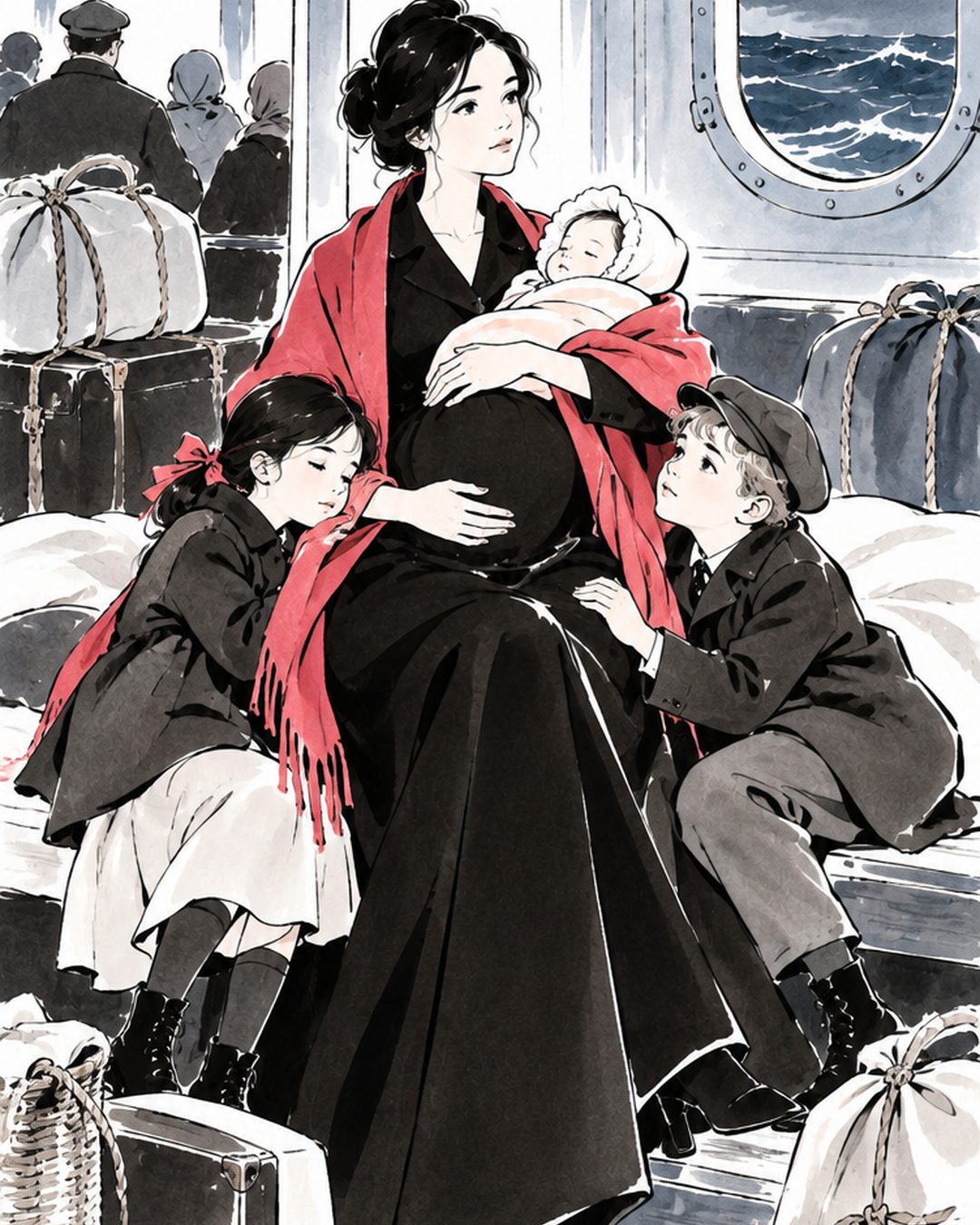
Imagine the hold of a third-class cabin. The stench of coal, the creak of bunks, the gray sea in the porthole. A young woman hugs three small children, with her hand resting on her belly, because the fourth child is there.
Her name is Lizzie. Her husband has just escaped from a service that would not let him go. He will still give the world makeup. And she does not yet know that she has only two years left to live.
Who was Max Factor, really?
His real name was Maksymilian Faktorowicz. Poland, the small town of Zduńska Wola near Lodz, a poor Jewish family, many children and an empty table. No one even dreamed of school, because there was no money for it.
At eight years old he was already working for a pharmacist and a dentist: grinding powders, mixing ointments, memorizing how wax, oils and pigments behave. At nine he became a barber's apprentice. Other people's heads, other people's faces, from morning till night.
As if fate were already teaching him the main lesson: a face can be changed, and sometimes a destiny changes along with it. How soon would he test this on himself?
How did Max Factor escape by painting an illness on himself?
Later, Max made up performers so skillfully that he was taken into service at court. Prestige, money, but also a cage: his every step was watched. He barely saw his wife Lizzie and their children, while the Jews around him were persecuted more and more harshly.
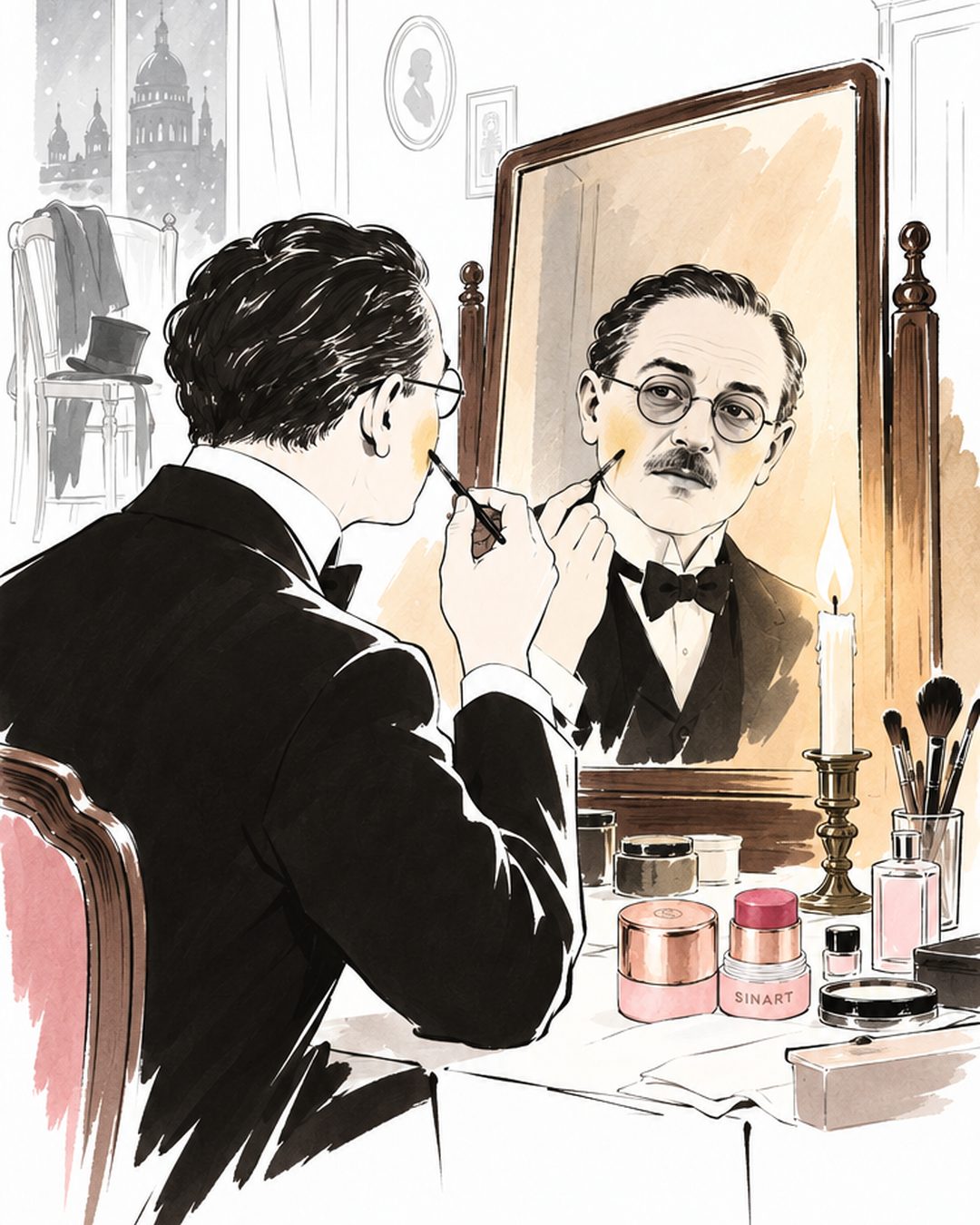
They say that one night he sat down before a mirror and used his own makeup to paint an illness on himself: yellow skin, gray lips, a dull gaze. The doctor recoiled. The "sick" man was released to take the waters at Karlovy Vary, and from there the road led to a ship.
How much of this legend is true and how much is family myth, history does not say. But one thing is certain: by then Lizzie was already carrying their fourth child under her heart. She agreed to the ocean, to the hold, and to complete uncertainty.
Could you have followed him, not even knowing the language of the country where you would give birth?
What happened to Lizzie, Max Factor's first wife?
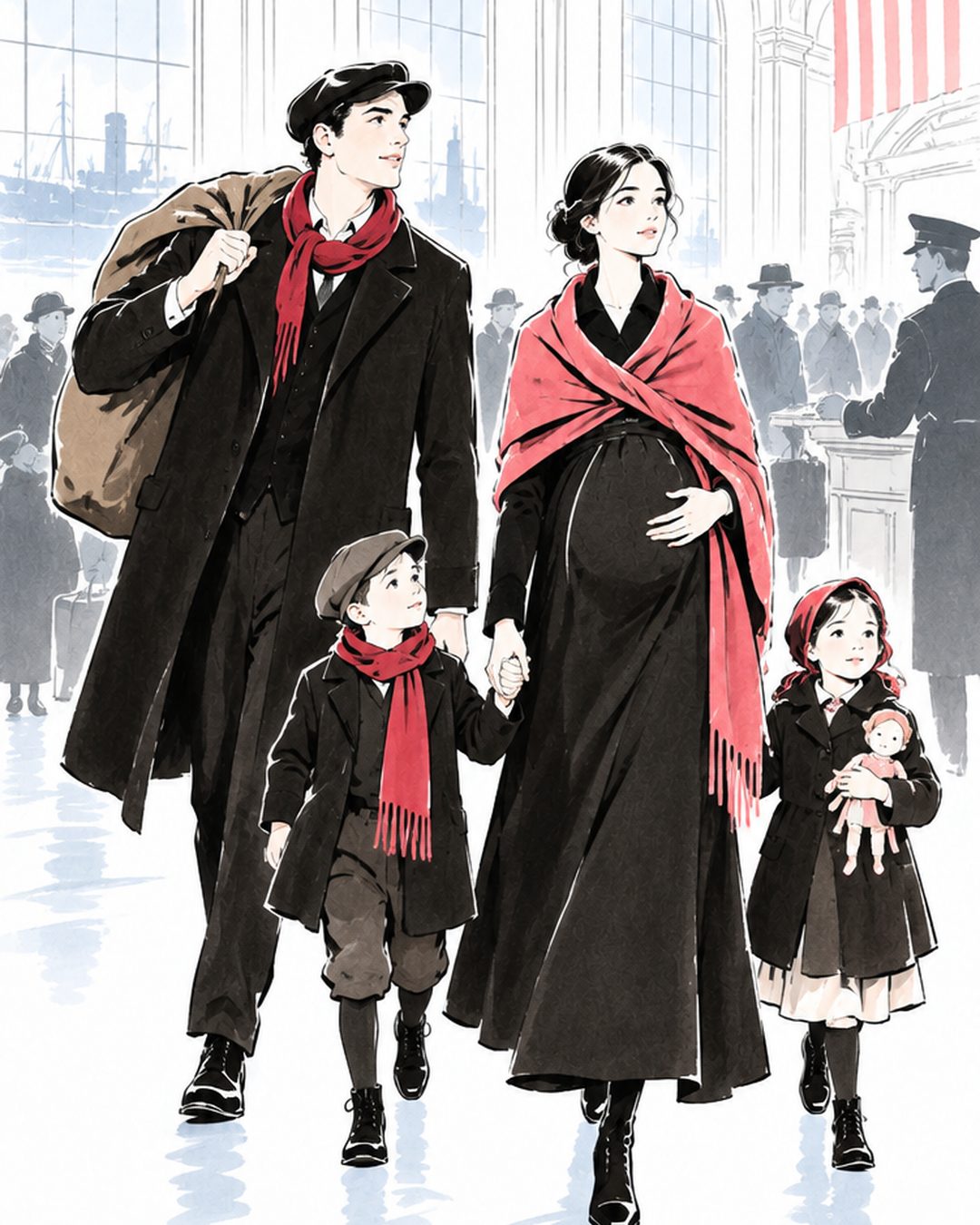
In the winter of 1904 they stepped onto American soil. The arrivals hall, bundles, children clinging to her skirt. In Max's pocket was four hundred dollars, and in his head, recipes for creams and rouge.
He immediately went where money and crowds were surging — the World's Fair in St. Louis. He stood behind a counter and sold his rouge and creams. Business was going well.
Then the partner he had trusted vanished. Along with the goods and all the takings. Zero again.
The St. Louis fair was held to mark the centennial of the Louisiana Purchase, and millions of visitors flocked to it. For Max it was a chance to earn a start, but it became his first American lesson: his career in the new country began not with the first dollar, but with a minus.
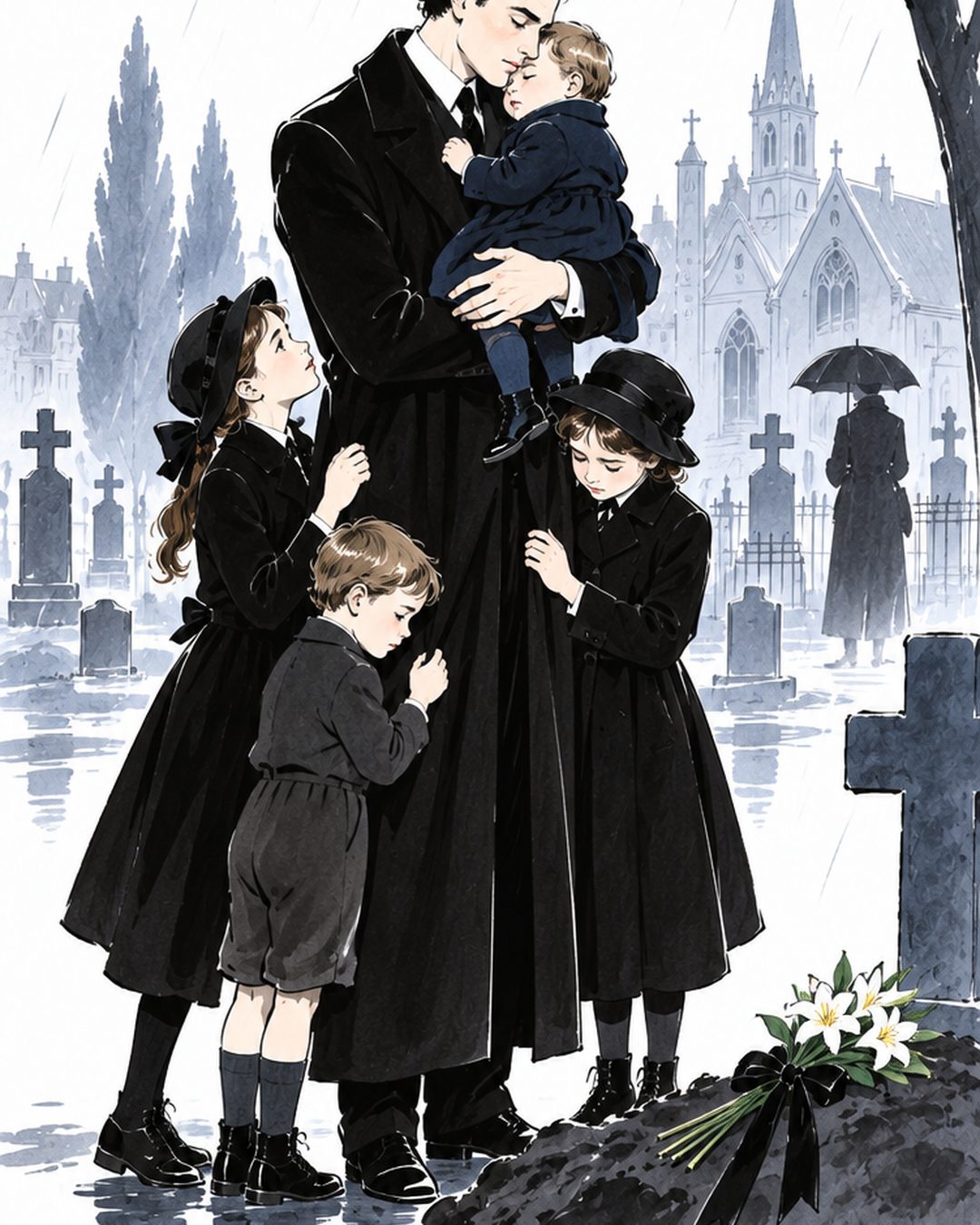
He started over. Wigs, makeup, a little shop. Two years passed. An ordinary day, a kitchen, a basin of water. Lizzie suddenly fell. A brain hemorrhage. She never got up again.
Four children. The youngest was a year and a half old. The very one she had carried across the ocean under her heart.
He hurriedly married a second time, as if the children needed any mother at all. The marriage proved a disaster and ended in a long court battle. But Max did not give up his children. Not one.
How many times can a person start from zero before breaking? It seems he had not yet reached his limit.
Who was Jenny Cook, and why did she marry a widower?
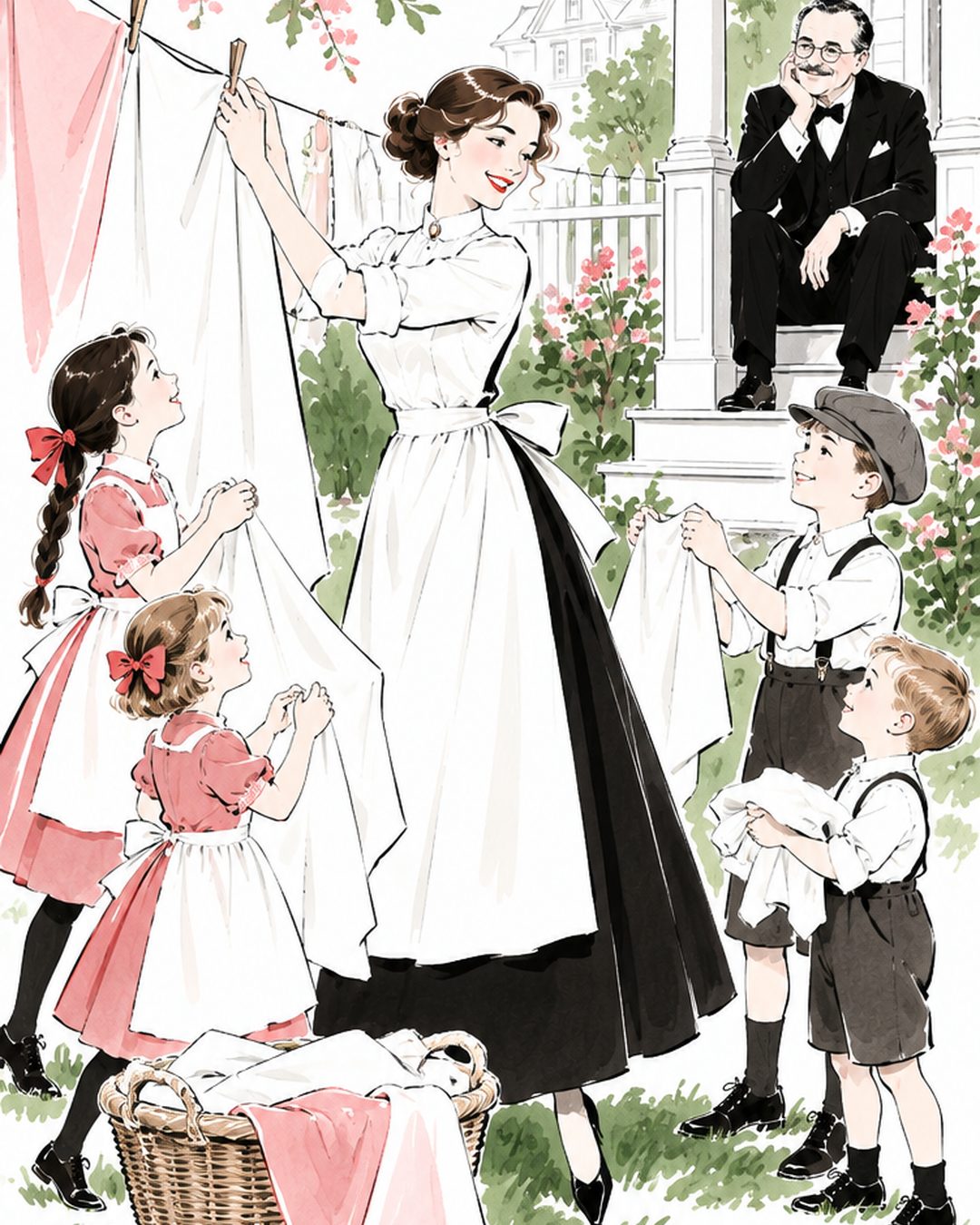
Then a neighbor, Jenny Cook, appeared in his life. She was twenty-one. She hung laundry in the yard, laughed with his children, and for the first time in a long while Max smiled on his porch.
Imagine what her girlfriends might have whispered: a young girl, a widower older than she, a scandalous divorce behind him, five children and no fortune. Yet Jenny married him. It was not calculation, because there was nothing to calculate on.
Together they traveled west, to Los Angeles, a sunny little town among orange groves that would later be called Hollywood. There were no stars there yet. There were only the first film studios and people who needed makeup.
How did Max Factor create makeup for Hollywood?
Theatrical makeup of that time was thick and heavy. From the stage it could not be seen, but the movie camera mercilessly showed every crack that appeared under the hot lights. Max took up what he did best — mixing.
He created a thin, flexible greasepaint specifically for film, one that would not crack on camera. Actors lined up at his salon. His makeup would be used to paint the stars.
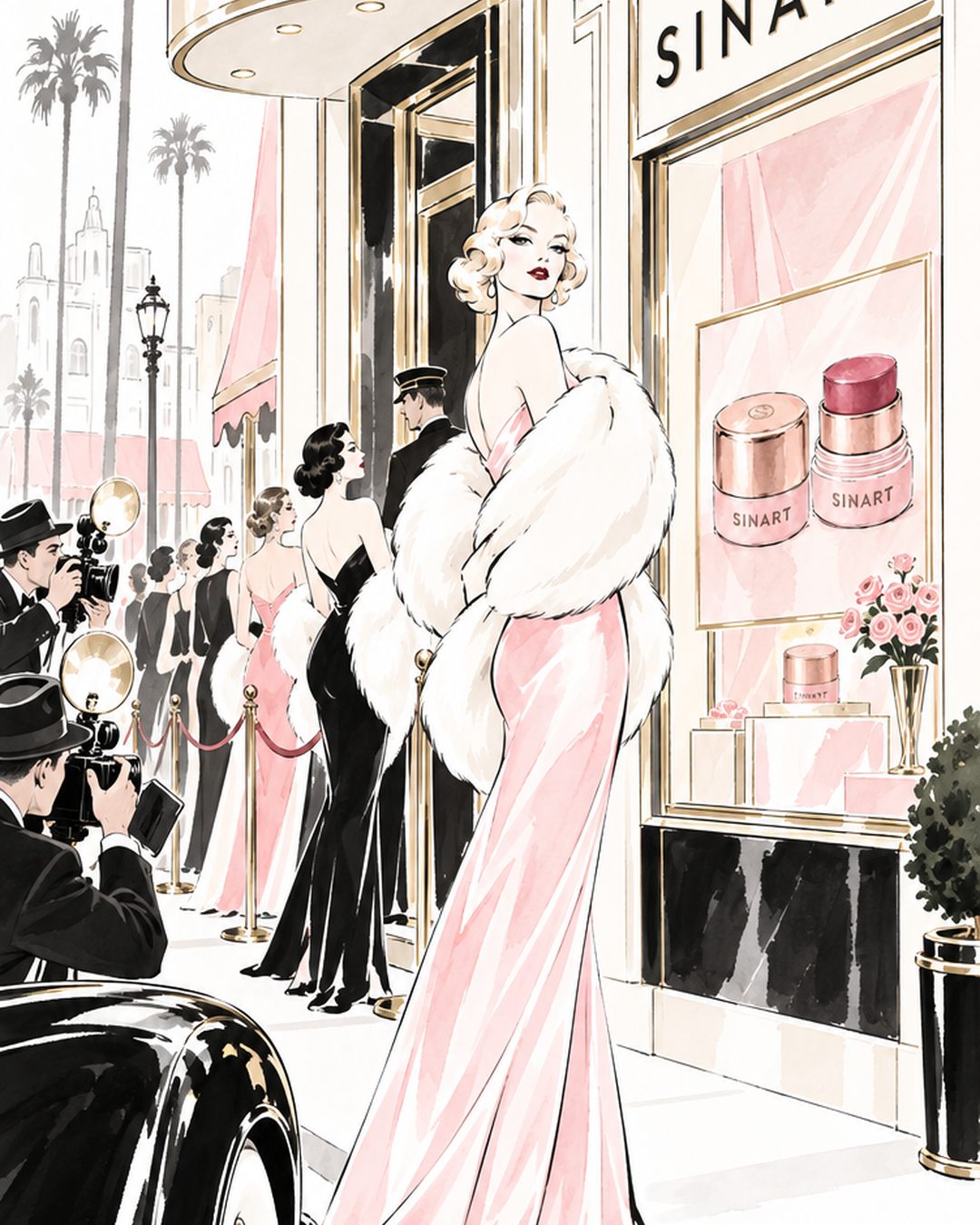
And then he noticed what would change the whole industry. Ordinary women wanted to look like the heroines on the screen. Thus came a line of everyday makeup that went beyond the film set and landed in women's handbags.
Max also taught women: the shade of powder, blush and lipstick should be chosen to match skin, hair and eye color. Today this sounds obvious, but then it was a revelation.
Max Factor's secrets that aren't in the video
It was Max Factor who popularized the word "make-up." The English verb "to make up" means "to compose, complete, create," and thanks to the makeup artist it became the name of an entire industry, which we still call by that name.
His Hollywood salon had separate rooms for blondes, brunettes and redheads, with different wall colors. The idea was simple and brilliant: a face looks different depending on what surrounds it, so makeup should be chosen in its "own" light.
And one more small secret. Documents disagree on Max's year of birth by several years, so even his age is given differently by biographers. A man who knew how to change faces seems to have kept for himself the right to a slightly mysterious passport as well.
Brand profile and Max Factor timeline
Brand profile
| Parameter | Value |
| Founder | Max Factor (Maksymilian Faktorowicz), barber and makeup artist from Poland |
| Year and city | 1909, Los Angeles |
| First product for film | A thin, flexible greasepaint that did not crack on camera |
| Iconic product | Pan-Cake foundation, created for color film |
| Who carried on the business | His son Frank, a.k.a. Max Factor Jr. |
| Owner today | Coty |
Timeline
| Year | Event |
| 1904 | The Factor family arrives in the US, Max sells at the St. Louis fair |
| 1906 | Sudden death of his first wife, Lizzie |
| 1908 | Marriage to Jenny Cook, move to Los Angeles |
| 1909 | Max opens his own business in Los Angeles |
| 1914 | Makeup created specifically for filming |
| 1937 | Launch of Pan-Cake foundation |
| 1938 | Blackmail in Paris and the death of Max Factor |
How did Max Factor die, and what happened to the brand afterward?
Near the end of his life, in Paris, he was handed a note: "Pay — or you will die." His son Davis was beside him. The police set up an ambush, but no one came for the money.
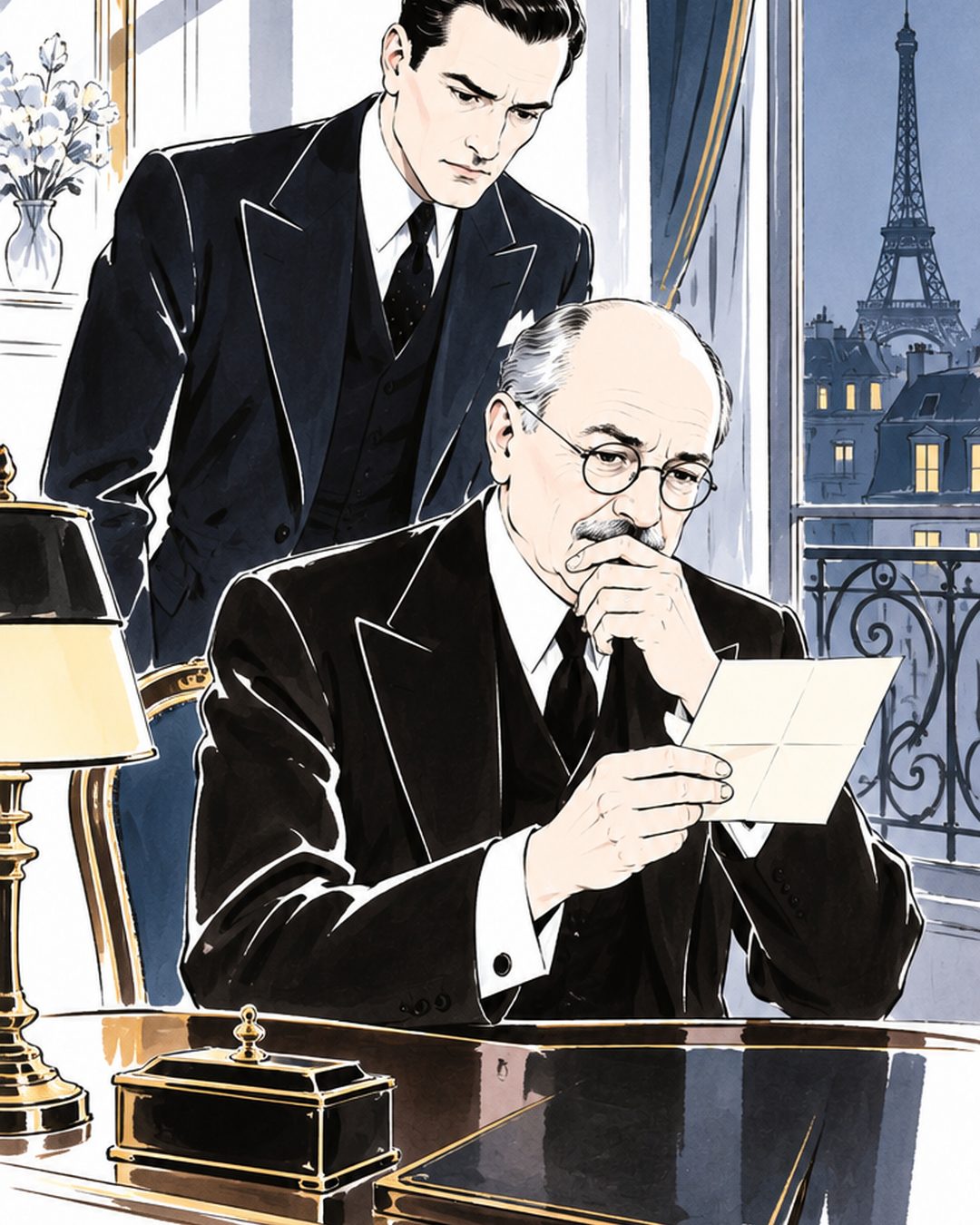
Max returned home. He lay down in bed and never got up again. He died in August 1938, at around sixty years old. Jenny held his hand until the last day: thirty years by his side.
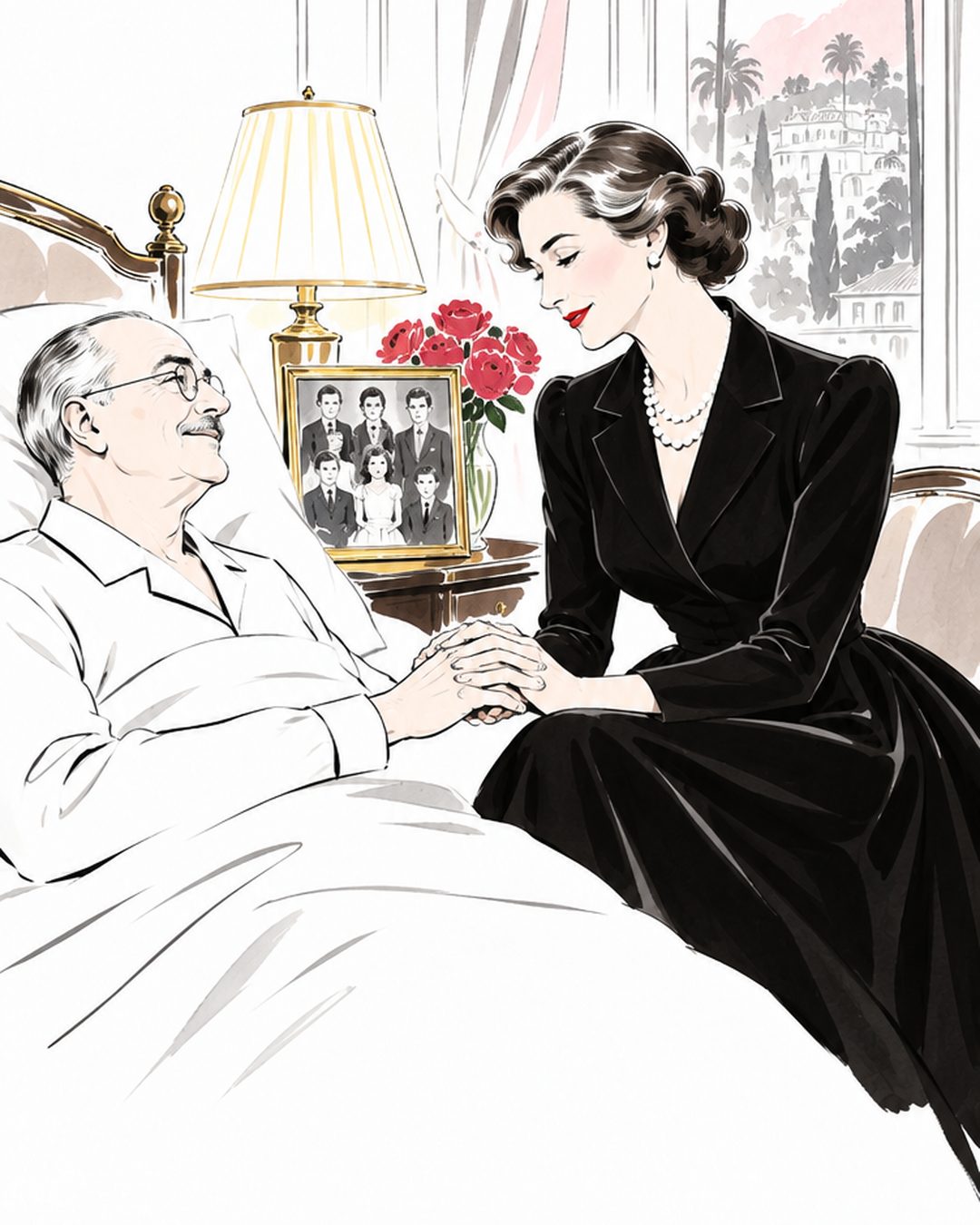
His son Frank took over the business and changed his name. Now he was Max Factor Jr. According to family history, he was the very boy Lizzie had carried across the ocean under her heart.
Several decades later the family sold the company, and today the Max Factor brand belongs to the Coty group.
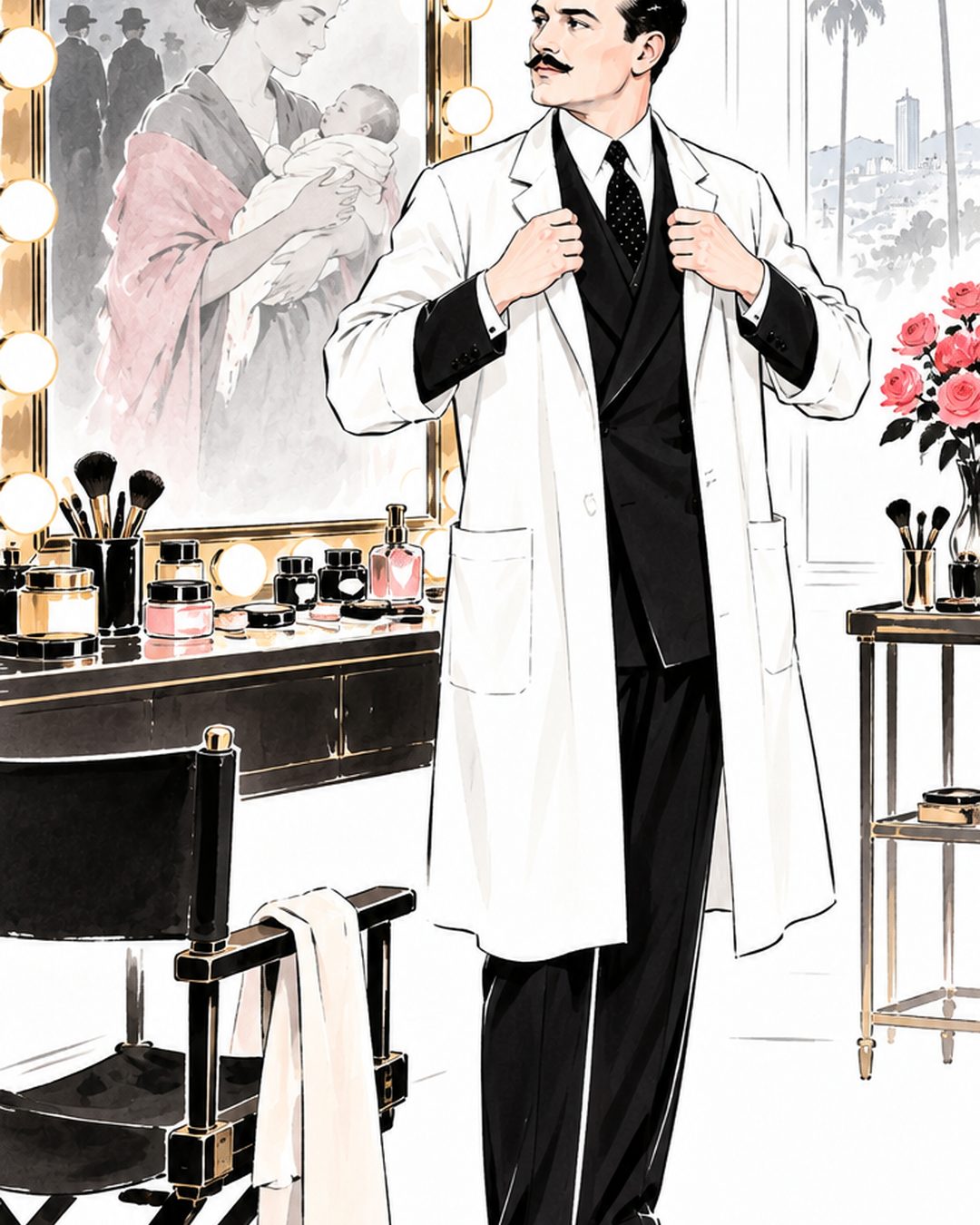
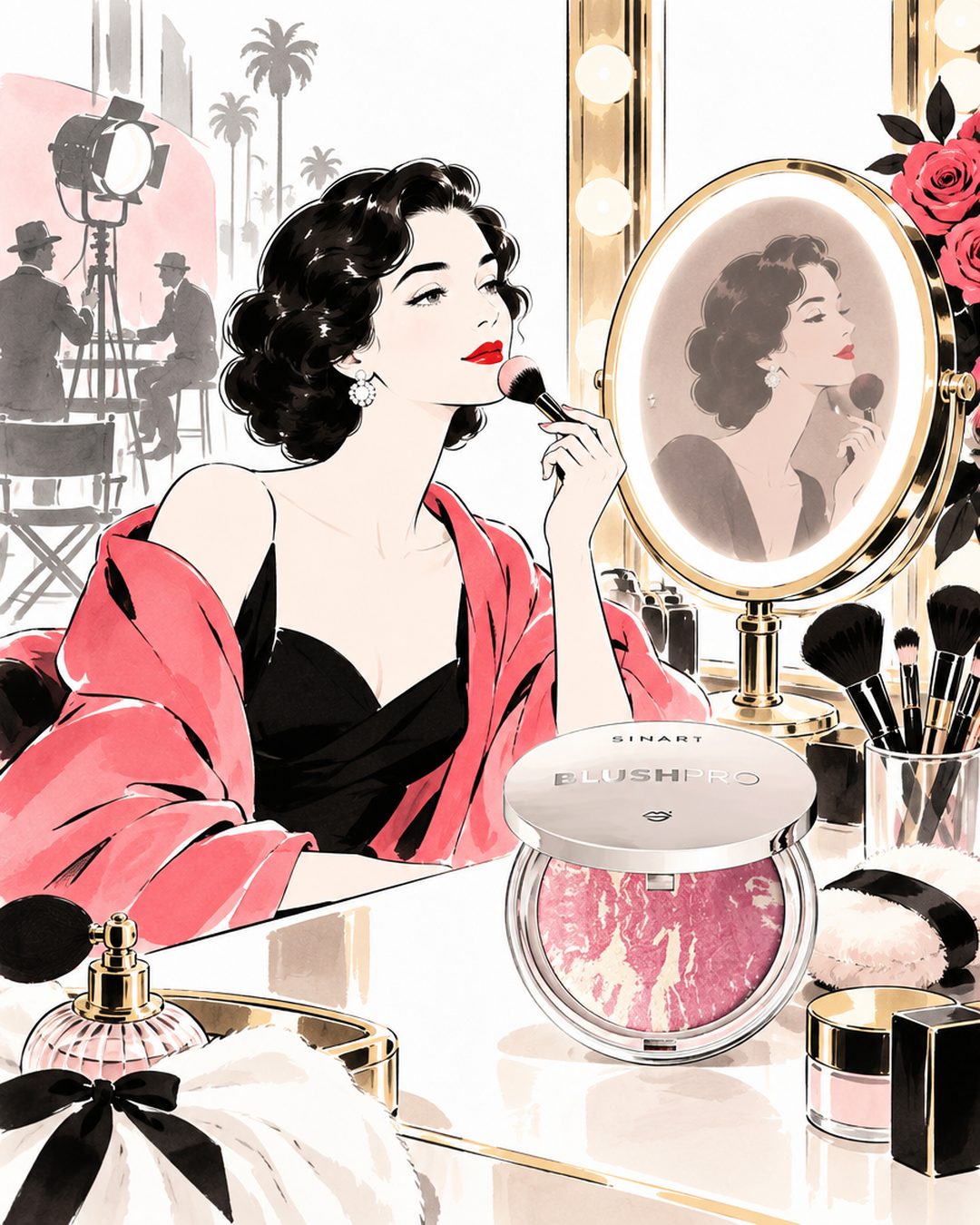
The mirror with bulbs around its perimeter, at which Max made up the stars, became a symbol of Hollywood. And today the same "dressing room" ritual lives in your bathroom. The MAGIC MIRROR LED mirror gives an even light in which you can see how foundation, blush or contour lies, before you step out into the daylight.
And the blush Max started with in America works the same way: a few strokes, and the face comes alive.
MAGIC MIRROR LED mirror · BLUSHPRO face blush
You've read to the end — now watch this story come alive in the video: the hold, the painted illness, Lizzie, Jenny and Hollywood. Subscribe to SINART on YouTube so you don't miss the next episodes of "SINART. The DNA of Beauty."
The boy who at eight years old ground powders in a pharmacy made up Hollywood and gave the world the word "make-up." But if you look closely, the main heroine of this story is not him. It is Lizzie, who agreed to the hold and the unknown, and Jenny, who at twenty-one chose a widower with five children and stayed with him until his last breath.
If you haven't seen the first episode yet, take a look at the story of Dior and his New Look. And the next episode, "Yves Saint Laurent. A Tuxedo for Women," is coming soon.
And what do you think: what changes a destiny more — talent or a woman who believes in you?
Frequently asked questions
Who was Max Factor?
Max Factor was the founder of the Max Factor brand, a barber, wigmaker and makeup artist. He was born into a poor Jewish family in Poland under the name Maksymilian Faktorowicz, emigrated to the US in 1904, and later opened a business in Los Angeles. His screen makeup was used by Hollywood stars, and his line of everyday makeup made cosmetics accessible to ordinary women.
What was Max Factor's real name?
The founder of the brand's real name was Maksymilian Faktorowicz. He was born in Zduńska Wola near Lodz. The name Max Factor stuck to him in America and became the name of the company. Interestingly, documents disagree on his year of birth: different sources give dates that differ by several years.
How did Max Factor escape from court service?
According to the legend still retold in the brand's history, Max used his own makeup to paint signs of illness on himself: yellow skin and gray lips. He was released to seek treatment at the spa waters of Karlovy Vary, and from there he set off with his family for America. There is no documentary confirmation of all the details, so this is more of a family tale.
When did Max Factor come to America?
The Factor family arrived in the US in the winter of 1904. Max had with him about four hundred dollars, his wife Lizzie, three children, and a fourth child that Lizzie was still carrying. That same year he sold his rouge and creams at the World's Fair in St. Louis, but his partner vanished with the goods and the takings.
Who was Max Factor's first wife?
Max Factor's first wife was Lizzie. She endured years of separation with him because of his court service, the escape, and the voyage across the ocean in the hold of a third-class ship while pregnant. Two years after arriving in America, in 1906, Lizzie suddenly died of a brain hemorrhage, leaving four children.
Who was Jenny Cook?
Jenny Cook was Max Factor's third wife, his neighbor. She was twenty-one when she married a widower with five children after his unsuccessful second marriage. Together they moved to Los Angeles, where Max built his brand. Jenny lived with him for about thirty years, until his death in 1938.
Did Max Factor really invent the word "makeup"?
Max Factor is considered the person who popularized the word "make-up" as the name for facial cosmetics. The English verb "to make up" existed before and meant "to compose, to create," but it was thanks to Max and his brand that it became the general name for makeup and the entire beauty industry.
How did Max Factor die?
In 1938, during a trip to Paris, Max Factor was slipped a note demanding payment under threat of death. The police set up an ambush, but no one came for the money. The stress he went through badly undermined his health: after returning home to the US, he took to his bed and died in August of that same year.
Who was Max Factor Jr.?
Max Factor Jr. was Frank Factor, the son of the brand's founder and his first wife Lizzie. After his father's death in 1938 he headed the company and changed his name in order to continue the business under the famous brand. He developed the company together with his brothers, and Max Factor remained a family business for several more decades.
What is Pan-Cake by Max Factor?
Pan-Cake is Max Factor's iconic foundation, which appeared in 1937. It was created for shooting color film, where ordinary makeup looked unnatural. It was applied with a damp sponge and gave an even matte finish. Later Pan-Cake became popular among ordinary women too, who wanted to look like movie stars.
Who owns the Max Factor brand today?
The Factor family sold the company in the 1970s. After several changes of ownership, including a period under Procter & Gamble, the Max Factor brand passed to Coty, which owns it today. The brand continues to produce decorative cosmetics, and its history is closely tied to the golden age of Hollywood.